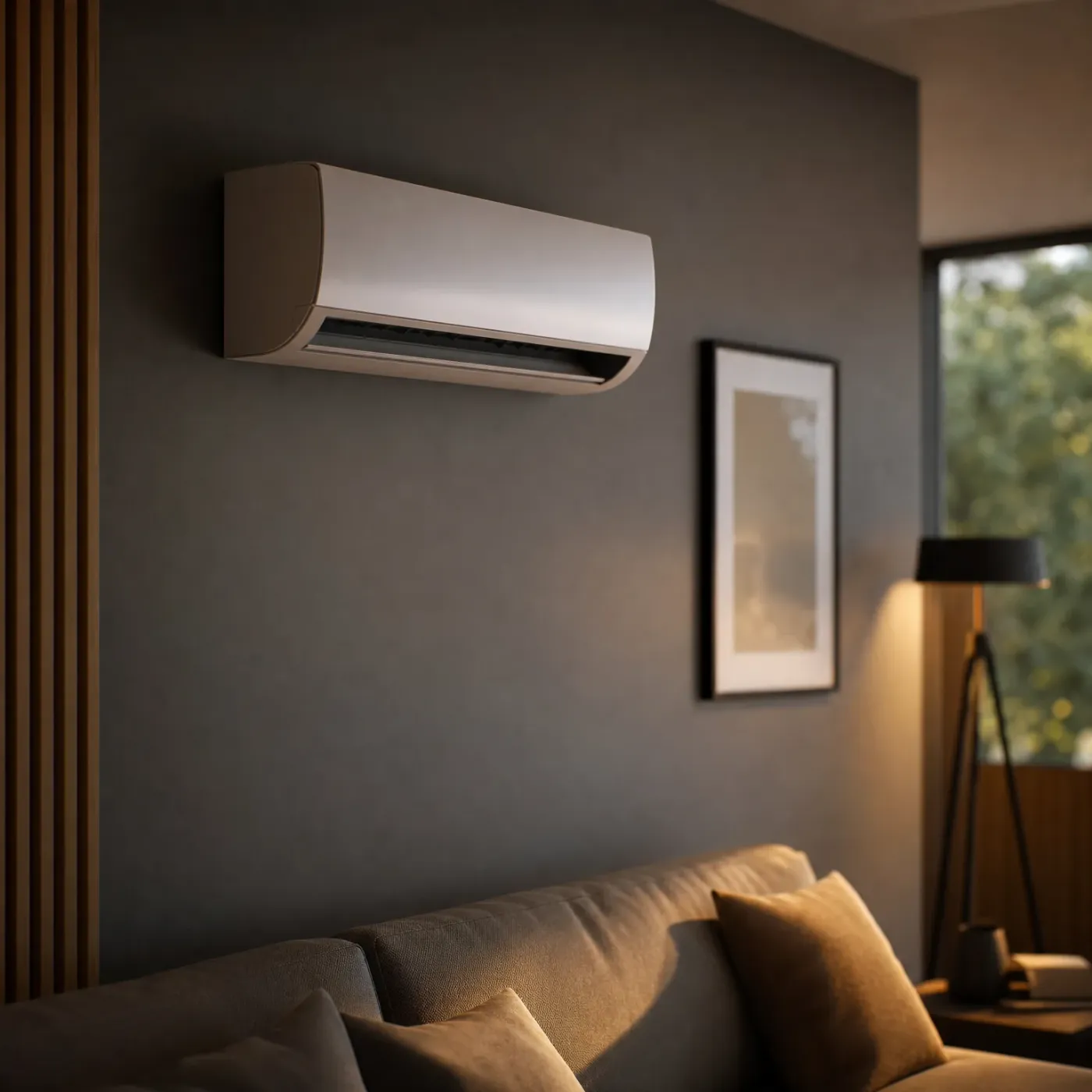




A white wall-mounted mini-split indoor unit on a gray interior wall above a beige sofa, with a framed picture, a floor lamp, wood slat wall trim, and a window showing green foliage.

A pro who works on mini splits

What size mini split a Florida home needs

Sizing a mini split isn't just square footage. Florida humidity, ceiling height, windows, and which rooms it has to cover all change the number. Get that wrong and it either won't pull the moisture down or it short cycles and wastes power. Answer a few questions and a contractor who installs these in Florida homes will follow up with what fits yours.

Match me with a pro

There's no single number that fits every house. A mini split is sized in BTUs, and the usual rule of thumb (20 BTU per square foot) doesn't hold up well in Florida, because that math assumes dry air. Here, the unit has to pull moisture out of the air as much as it has to cool it, and a system sized only for square footage often can't do both. Too big and it cools the room fast but shuts off before it's wrung the humidity out, leaving the air cold and damp. Too small and it runs constantly through the summer without catching up. The right size depends on the square footage of the specific room or space, the ceiling height, how many windows it has, and which direction they face. A contractor works this out room by room, not off a chart.

A smiling man in a dark navy sweater sits on a light sofa in a living room, with a glass bowl of popcorn on a wooden coffee table and bookshelves behind him.
A smiling man in a dark green sweater sits on a tan leather sofa in a dimly lit living room, with a bowl of popcorn in the foreground and a kitchen area blurred behind him.
A smiling middle-aged man in a dark shirt sits on a gray sofa in a living room, with a bowl of popcorn on a side table and shelves, a window and kitchen area behind him.
A smiling bearded man in a dark gray t-shirt sits on a gray couch in a living room, with a large glass bowl of popcorn on a wooden table in the foreground.

Why undersized units struggle here

A mini split that's too small won't just run longer. It'll keep the room at a cool temperature while the air still feels damp, because it's not moving enough air across the coil to wring the moisture out. You end up turning the thermostat down further to compensate, which drives the power bill up without fixing the actual problem. The humidity is the part square footage alone doesn't account for, and it's why two homes the same size can need different size units depending on how much moisture they're dealing with.


Why oversized units cost you too

An oversized unit cools the air fast and shuts off before it's run long enough to pull the humidity down. That's short cycling, and it means the room reaches temperature while still feeling clammy. It also means more wear on the compressor from starting and stopping so often. Bigger isn't a safe bet. The right size runs longer, steadier cycles that actually dry the air out, which is most of what makes a Florida room feel comfortable rather than just cold.

Power costs 15.21 cents per kilowatt-hour statewide

That 15.21 cents a kilowatt-hour is what makes correct sizing worth getting right here. An oversized mini split cycles on and off and still leaves the air damp, and you pay for every one of those restarts. A properly sized one runs long, steady stretches and keeps the humidity down without the bill climbing to match.

EIA-861 2025 statewide residential average

  1. A tech measures every room the unit will serve.

  2. They check ceiling height, windows, and sun exposure per room.

  3. A load calculation sets the BTU number for your space.

  4. The indoor head gets matched to that calculated load.

A woman in a cream cardigan and jeans stands with one hand raised facing an open front door of a gray horizontal-siding house, with a black lantern wall light, a potted shrub with yellow flowers, and a stone-faced porch column.

What the wrong size does in your house

You'll feel it before you can name it. A room that's cool but sticky, air that sits on your skin even with the thermostat at 72. That's an undersized or poorly matched unit losing the moisture fight, and it shows up on the power bill as a system that won't stop running. Furniture near the vents can start to feel damp. Books swell. You notice it most in the evening, when the house is closed up and the humidity has nowhere else to go.

A load calculation done for your specific rooms, not a square footage chart, is what prevents that. Once you answer a few questions about your home, you get matched with a contractor who figures the BTU number for your actual space, your ceiling height, your windows, and reaches out from there. You don't have to sort through who's reliable or chase down quotes yourself. That part is off your plate.

A living room corner with a beige upholstered armchair holding navy and striped cushions, a small round wooden side table with a carved bowl and a potted green plant, a framed landscape picture on a pale wall, built-in shelving, and a curtained window.
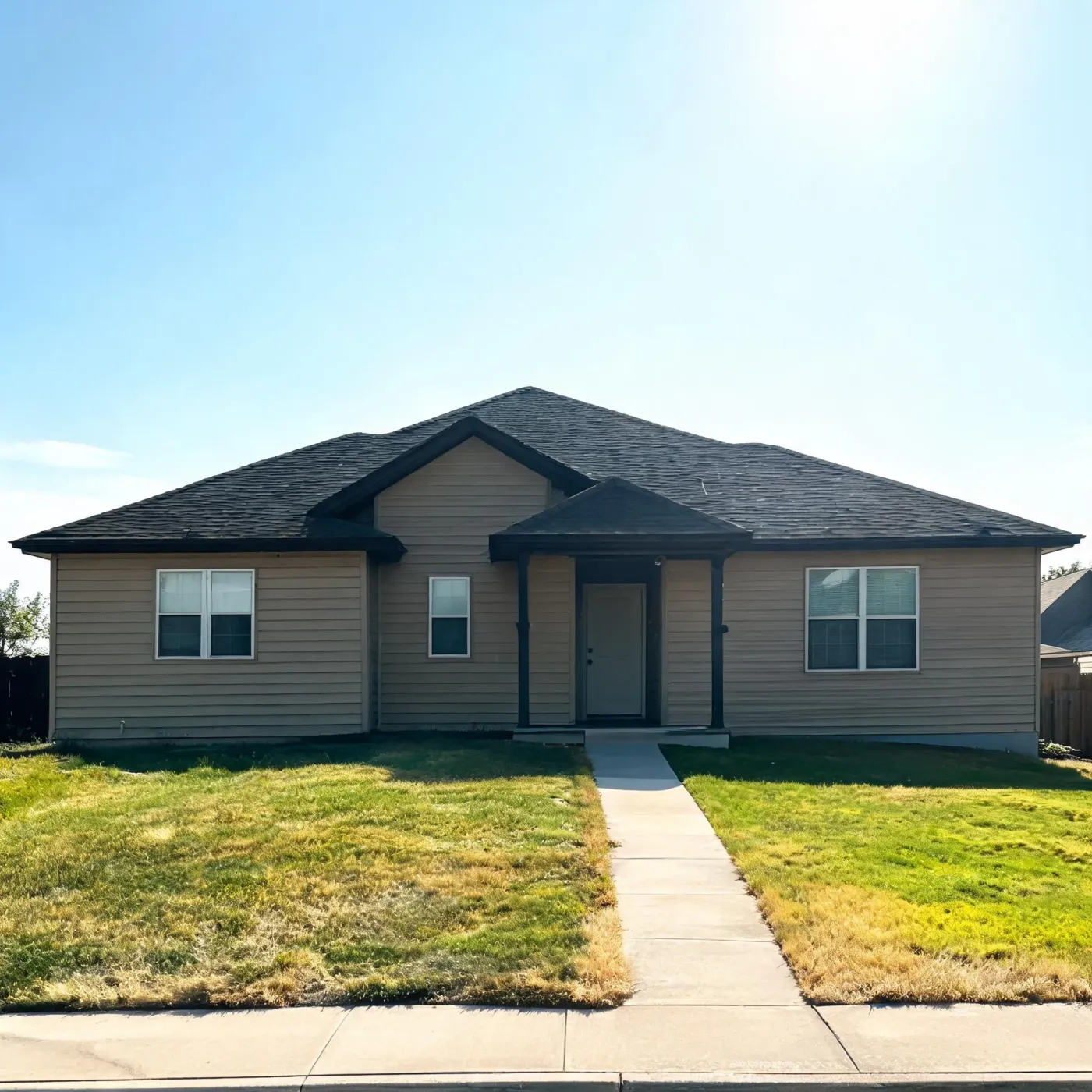
Single-story house with tan horizontal siding and a dark shingled hip roof, fronted by a patchy green and brown lawn and a concrete walkway leading to the covered entry.

A summer dew point of 74°F is what a correct BTU number has to answer for. Air that heavy carries a lot of moisture, and your mini split has to move enough of it across the coil to wring that out, not just chill the room. Size it to square footage alone and the unit can hit setpoint while the air still feels wet. That's the dew point working against the math, not a flaw in the equipment. A load calculation done for your actual rooms accounts for it. Answer the questions above and you get matched with a contractor who'll size the install around what your home and this air actually demand, and the search for the right person ends there. Source: NOAA, Florida summer averages.

NASA POWER T2MDEW county cells weighted by homes

Get your mini split to the right pro

Send it once and finding someone is no longer on you.

No fee to send it, and nothing to sign.

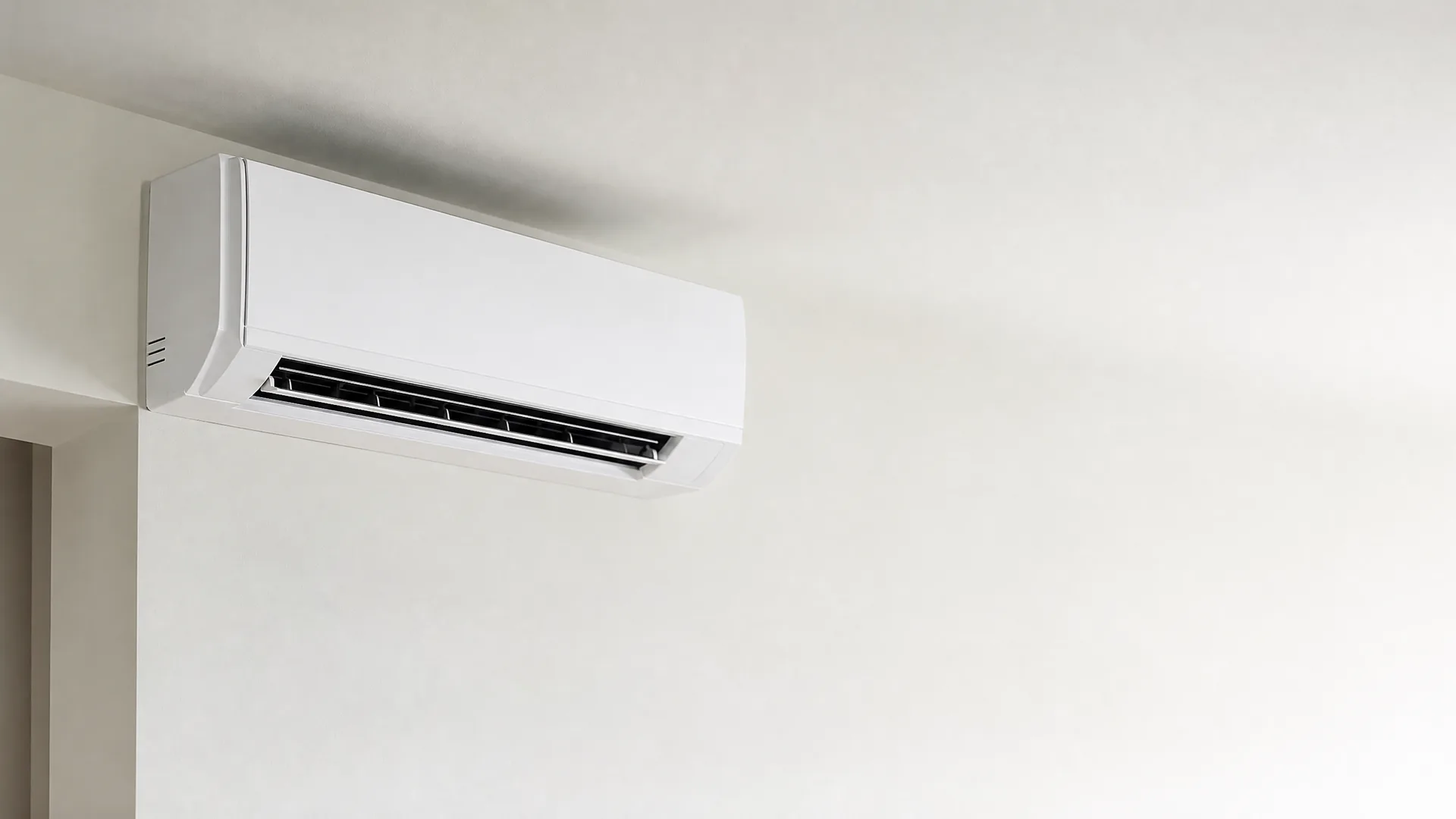
A white wall-mounted mini-split air conditioner unit near the ceiling on a plain light-colored interior wall with open space to the right.

A single zone done right

One mini split head sized to one room works the way it should. A bedroom or a home office gets a load calculation based on its own windows and sun, and the head pulls moisture out of that space steadily. You set it and the room stays even, cool and dry at the same time. This works well when the rest of the house has its own cooling, or when that one room is all you're trying to fix.

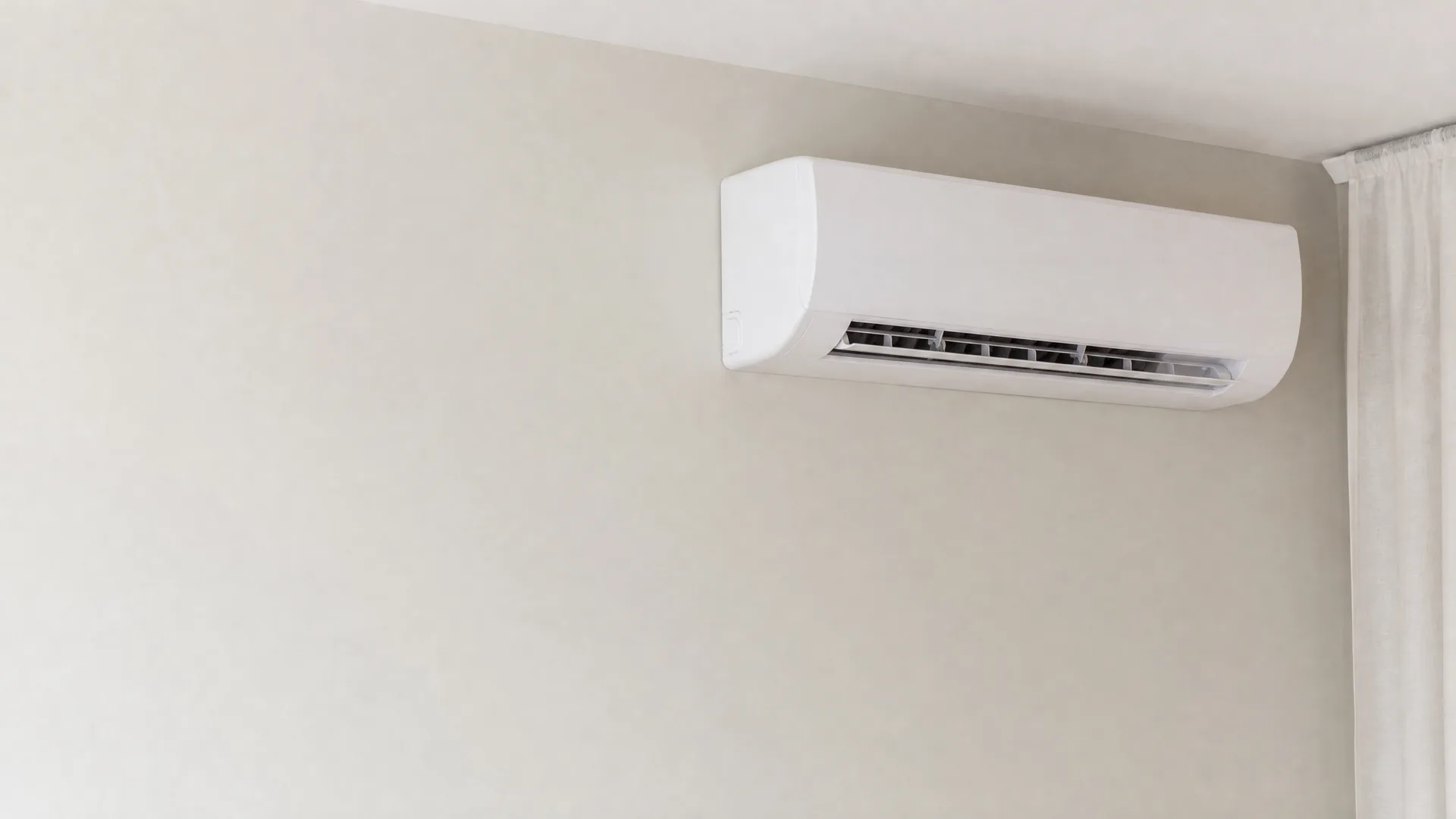
A white wall-mounted mini-split air conditioner unit installed near the ceiling on a plain beige interior wall, with a light curtain at the right edge.

A multi-zone system stretched thin

A multi-zone setup ties several rooms to one outdoor unit, and the outdoor unit has to be sized for all of them running at once, not just the biggest room. If the total load is underestimated, every zone suffers a little instead of one zone suffering a lot. The living room keeps up fine but the back bedroom never quite catches the humidity. Getting the combined BTU number right matters more here than it does for a single head.

Is your mini split cooling the room but not the air?

You set the thermostat to 72 and the number holds, but the room still feels wrong. The air sits heavy. Towels in the bathroom take longer to dry. Windows fog at the edges in the early morning. You might notice the unit kicking on and off every few minutes instead of running in one long stretch. None of that is your imagination, and none of it means the thermostat is lying to you. It means the unit is hitting the temperature without pulling the moisture out of the air to go with it. Left alone, that damp air gives mold and mildew a place to start, especially in a closed-up bedroom or bathroom that the head is supposed to be covering.

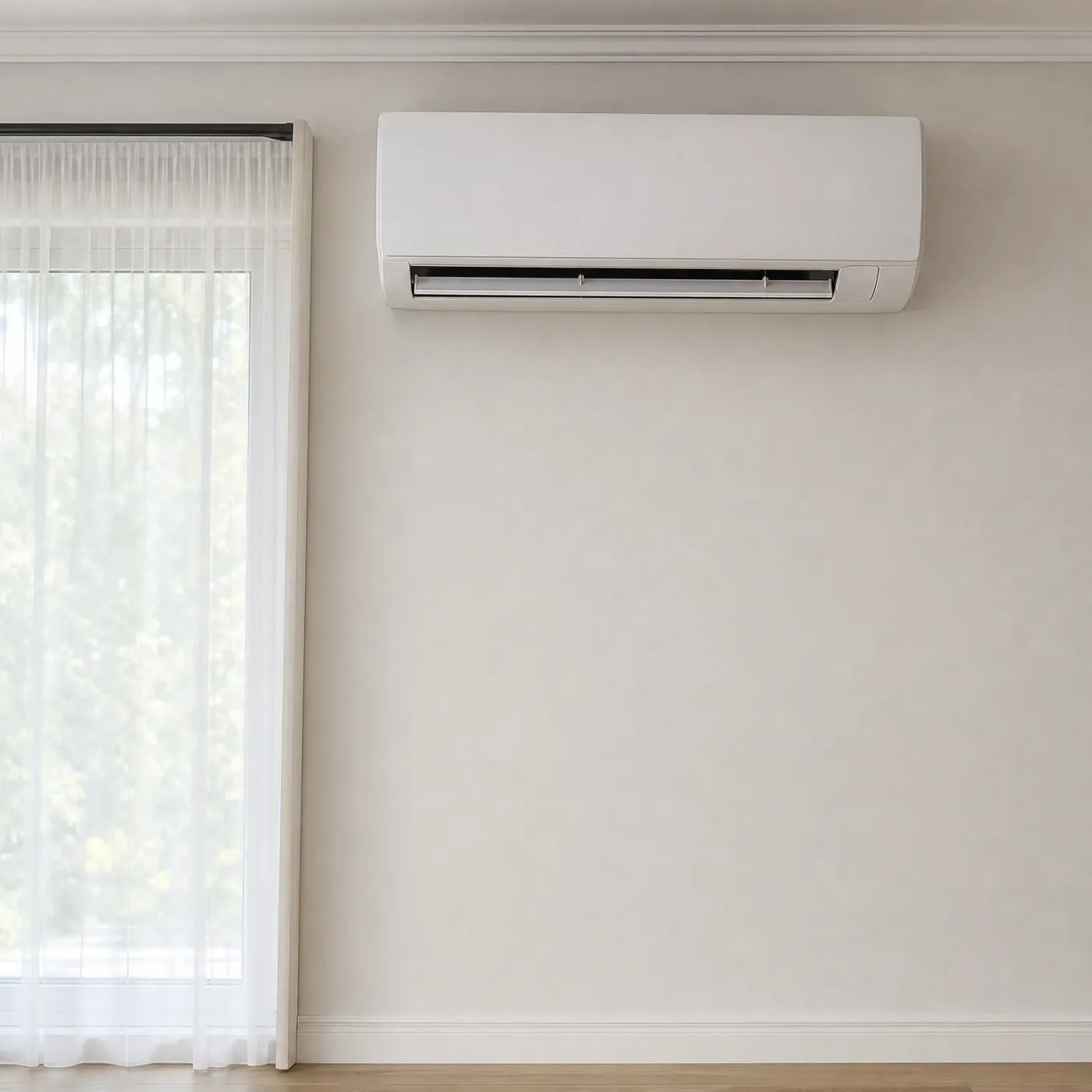
A white wall-mounted mini-split air conditioner on a beige interior wall, next to a window with sheer white curtains and green foliage outside.

Sized and running right

A properly sized mini split stays clean because it isn't straining. Air moves freely across the coil, the room holds its temperature, and the unit cycles the way it's supposed to. Nothing is working harder than it has to, so dust and grime don't build up where the airflow is doing its job.

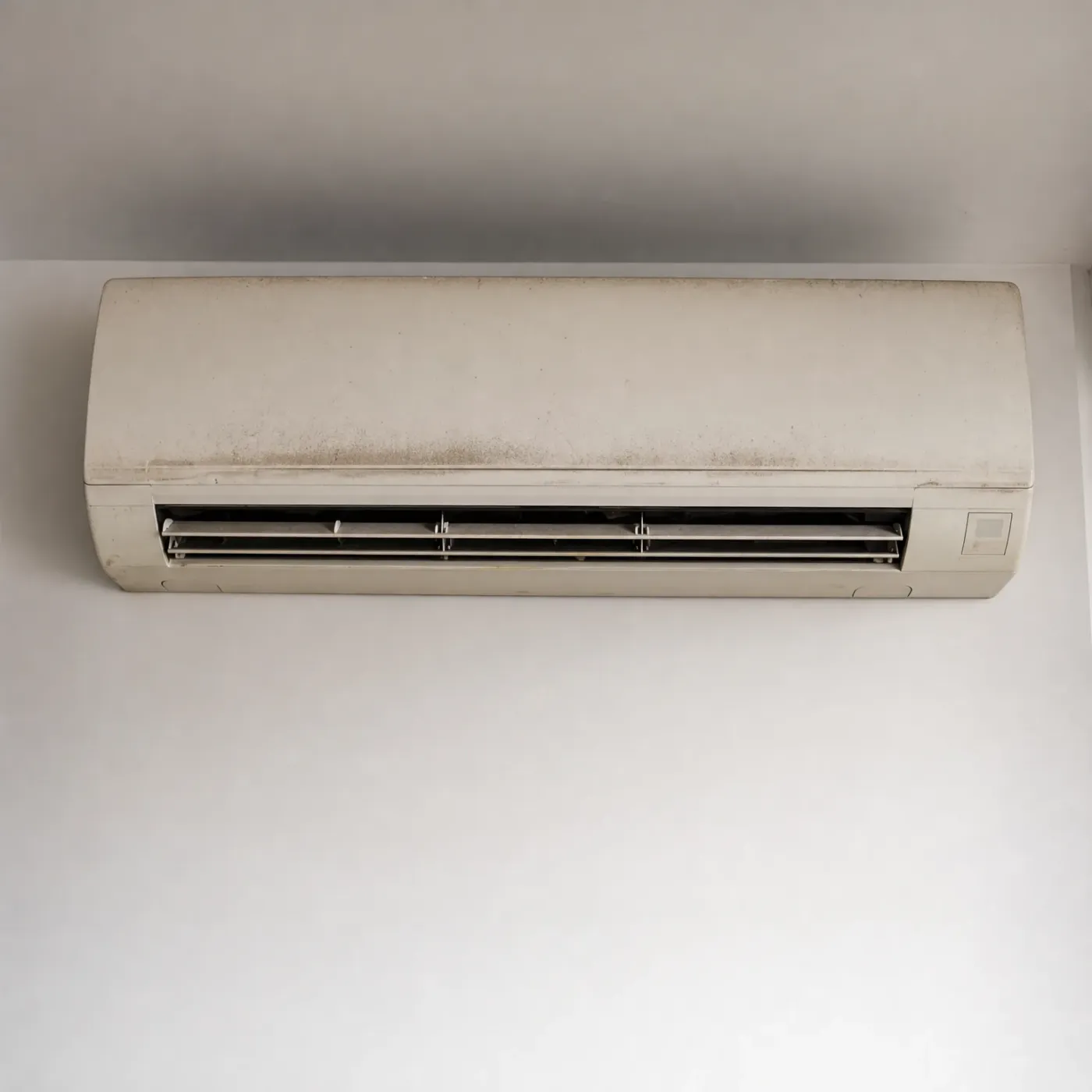
A dusty, discolored wall-mounted mini-split air conditioner indoor unit on a plain white wall, with its horizontal louvers and vent grille visible.

Undersized and overworked

A unit that's too small for the room runs nearly nonstop trying to catch up, and the grime on those vents tells that story. Dust collects faster when a coil is working overtime, and buildup like this chokes airflow further, which only adds to what the unit already can't keep up with.

Single Zone or Multi-Zone?

Single zone

  • One head serves one room, so the load calculation only has to account for that room's windows, sun exposure, and ceiling height.
  • Sizing mistakes are smaller in scope. An undersized head still fails to pull moisture out, but it only affects the one space it's tied to.
  • The line set runs from one indoor head to one outdoor unit, which keeps the refrigerant charge and airflow matched to a single calculated load.
  • A bedroom or office with steady, predictable use is easier to size right the first time because the conditions don't change room to room.
  • Replacing or adjusting one zone later doesn't touch the rest of the house, since each single-zone setup stands on its own.

Multi-zone

  • One outdoor compressor serves several indoor heads, so the total BTU output has to cover every room's load added together, not just one.
  • Each room still needs its own calculation. A sunroom and a shaded bedroom on the same system can need very different BTU numbers from each other.
  • Getting one zone wrong throws off the balance for the whole system, since the compressor is sized to the combined total, not each room in isolation.
  • Rooms with different exposures, like a west-facing living room next to an interior hallway, pull different loads even on the same muggy afternoon.
  • A system sized to the sum of the rooms, rather than to each one on its own, can leave one zone undersized even when the total BTU number looks right.
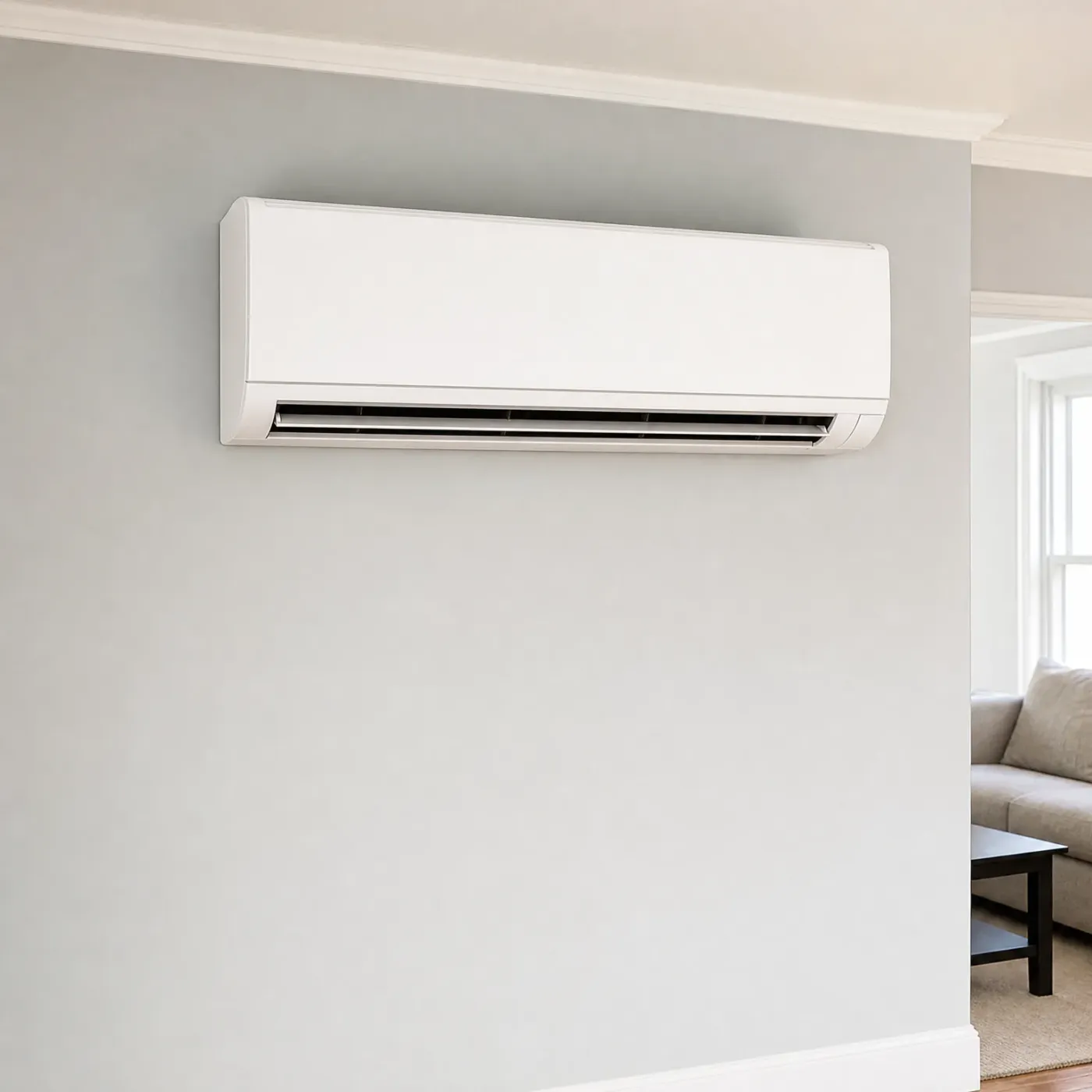
A white wall-mounted mini-split indoor unit installed high on a gray interior wall, with a sofa, dark table and window visible in an adjoining room to the right.
A mini split sized right for the room keeps pulling air across a clean, dry coil, so the wall around it stays clean too.
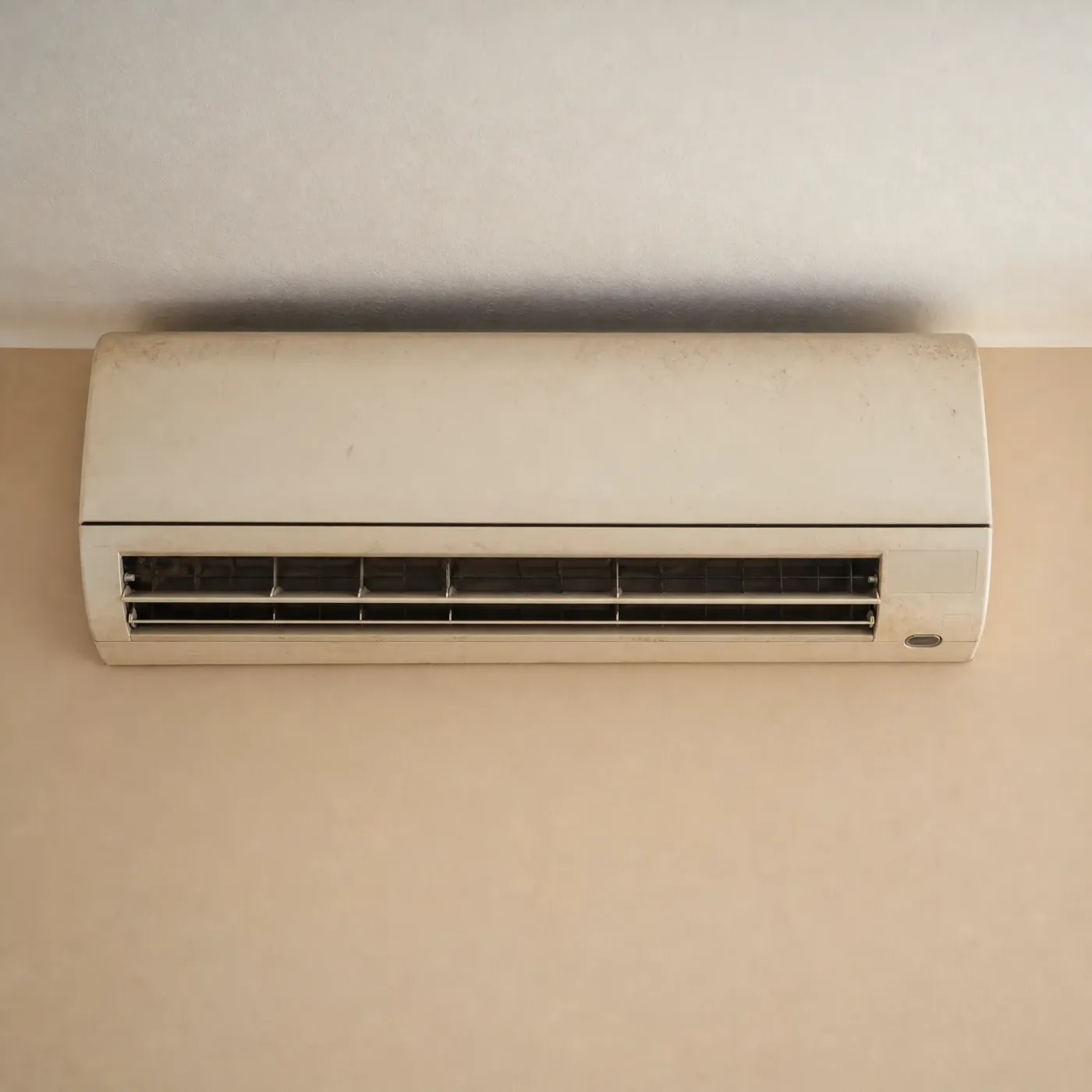
A wall-mounted mini-split air conditioner indoor unit with a dusty beige casing and dark louvered vent, installed near the ceiling on a plain beige wall.
A unit carrying more load than it was sized for runs harder and longer, and the dust and yellowing on the casing show it.
A woman with dark hair in a bun reclines on a sofa with her eyes closed, wrapped in a cream fleece blanket, a closed blue hardcover book resting in front of her, with a lit lamp and a vase of dried flowers in the background.
A smiling bearded man in a navy sweater sits at a candlelit dinner table with a glass of red wine, a bowl of salad, and plates of food in the foreground.

Getting the size right

  • The right BTU number comes from a room by room load calculation, not a square footage chart.
  • Florida's humidity means an undersized unit cools the air without pulling the moisture out of it.
  • An oversized unit cycles on and off and leaves the same damp feeling behind.
  • A correctly sized mini split runs long, steady stretches and holds both temperature and dew point.
  • Once a tech has your room measurements, ceiling height, and window exposure, the sizing itself takes no guesswork.
  • Sending the form is the last thing on your list; matching you with someone who sizes it right isn't.

A mini split sized for your house comes down to the load in each room it has to cover, not a number pulled off a square footage chart. Florida's air makes that distinction matter more than it would somewhere dry, because a unit that's too small will hold the temperature on the thermostat and still leave the room feeling damp. It isn't moving enough air across the coil to wring the moisture out, so the room cools without ever feeling right. Go too big and you get a different version of the same problem. An oversized unit satisfies the thermostat fast, shuts off, and starts again a few minutes later, and in those short bursts it never runs long enough to pull the humidity down either. The unit that's sized correctly does neither. It runs in long, steady stretches, holds the room at temperature, and keeps the dew point down at the same time, which is the part a square footage estimate can't account for on its own.

Getting there takes a room by room look at what the unit is actually working against. Ceiling height, window exposure, how much sun a room takes on in the afternoon, all of it changes the number. Once someone has measured your rooms and run that calculation, the sizing itself is settled. There's no guessing left in it. From there, the only thing left on your end is sending the form. Finding someone who sizes it this way stops being your job the moment you do.

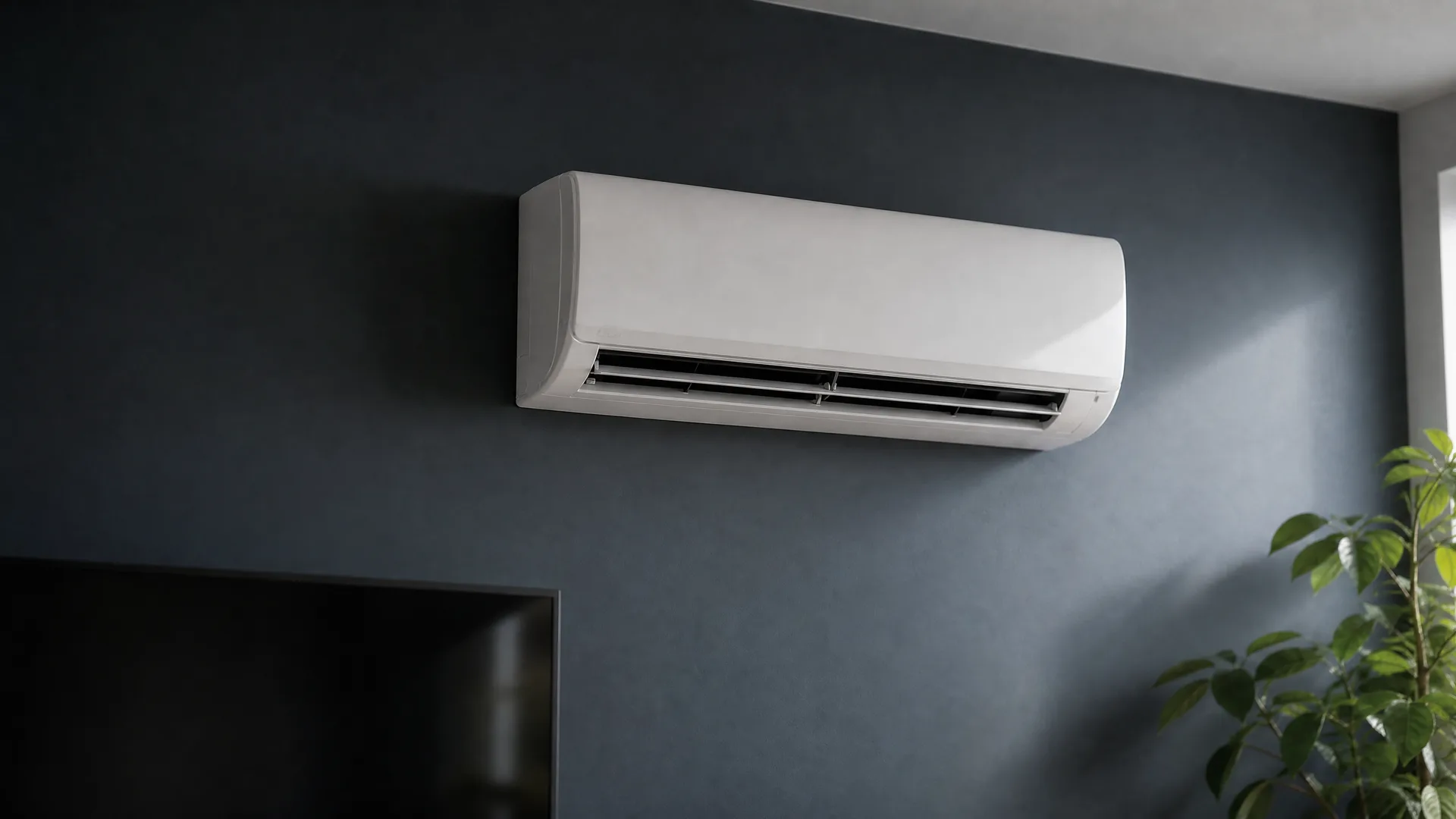
A white wall-mounted mini-split air conditioner on a dark gray interior wall, with a flat screen at lower left and a green leafy plant at lower right.

The right pro for this job

Step 1 of 3: Equipment