
Nine months a year
That's how long your mini split runs here, March through November. Every one of those months, the condensate line is carrying water out, and every one is a chance for it to clog.
Your request goes to a Hillsborough County pro who takes mini split jobs.
Find a mini split proWater dripping from your mini split almost always means the condensate drain line is clogged or the drain pan has cracked or overflowed. The indoor unit pulls moisture out of the air nonstop in Tampa's humidity, and that water has to leave through a small drain line. Algae, dirt, or a dead bug can block that line in a system that runs for months straight without a break. Once it's blocked, water backs up into the pan and either drips from the unit or runs down the wall behind it. It can also mean the line was pitched wrong when the unit went in, so the water never drains the way it should. A dirty air filter can cause the same mess by freezing the coil, which then thaws and dumps water faster than the pan can handle. None of this means the whole system is failing. It usually means the drain path needs to be cleared or the pan needs a look before the leak spreads to the wall or floor underneath it.
Cooling runs March through November
Your mini split runs nine months a year here, March through November. That's nine months of condensate draining, nine months the line can clog.
Heat runs December through January
Heat only runs about two months, December and January. The rest of the year, the indoor unit is pulling water out of the air nonstop.
Power here costs 17.13 cents per kilowatt-hour
At 17.13 cents per kilowatt-hour, a mini split that's leaking or iced up is working harder than it should, and that shows up on the bill.
NOAA nClimDiv 1991-2020 · EIA-861 2025
Run the mini split with the drain line clear and it strips humidity from the air all day without any trouble, which is most of what it's doing here nine months a year.
Let algae or dust build up in that line and the water backs up into the pan, then over the edge, onto your ceiling or the wall behind the indoor unit.




That's how long your mini split runs here, March through November. Every one of those months, the condensate line is carrying water out, and every one is a chance for it to clog.
A clogged condensate line is the most common reason a mini split leaks. A contractor can clear it and check the pan in the same visit.
Look for a wet spot on the wall below the indoor unit, or a stain spreading across the ceiling if it's mounted up high. Water may be dripping steadily enough to catch in a cup, or just leaving a damp line down the wall each afternoon. You might notice a musty smell in the room, or the carpet staying damp near the wall it's mounted on. Check the unit itself for water pooling along the bottom edge or dripping off the case. Left alone, that water sits against drywall and trim day after day, and it can soften the wall or grow mold behind it long before anyone decides to deal with the unit itself.
Indoor coil pulls moisture out of the air nonstop.
Water drips off the coil into the drain pan below.
The pan feeds into a small condensate drain line.
Gravity (or a condensate pump) pushes water toward the drain.
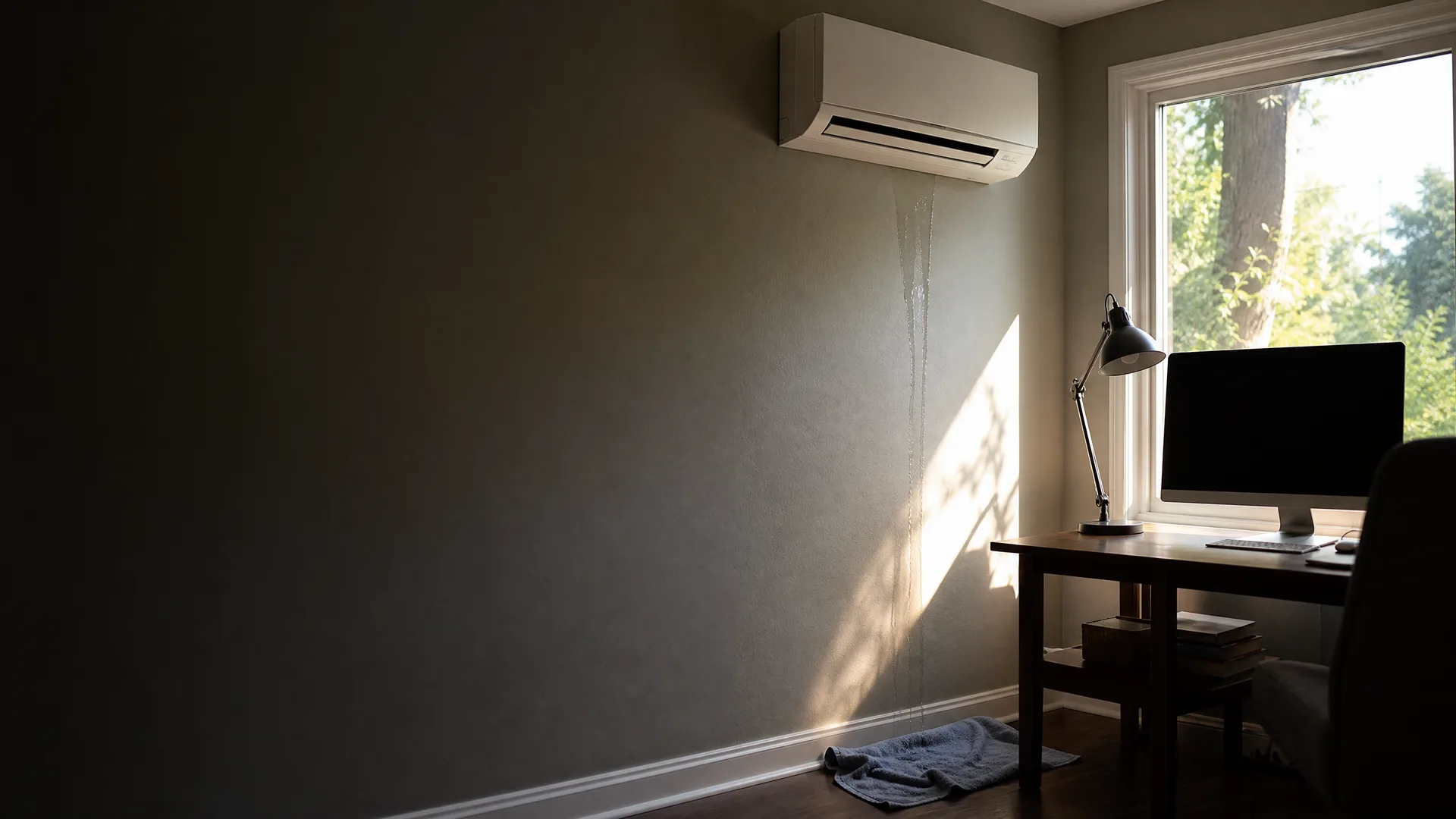
You're at your desk in the home office on a July afternoon, the kind where the AC has been running since morning and the room finally feels cool. You notice the carpet under your feet is damp before you notice anything else. Then you see it: a wet streak down the wall below the mini split, darkening the paint. You go get a towel and press it against the baseboard, watching it soak through fast. The unit above keeps running like nothing's wrong, still blowing cold air into the room. You stand there a minute, towel on the floor now, wondering how long the water's been getting into the wall before it showed.
Water dripping from inside the indoor unit itself, rather than just down the wall, has you wondering if the problem is worse than a clogged line outside. It's a fair question. The source is usually the same drain system, but where the water shows up tells you something about how full the pan already is.
Inside the unit, the coil sits above a small drain pan that catches every drop before it heads out through the condensate line. When that line is clogged, water backs up into the pan faster than it can drain, and once the pan fills, it overflows right there inside the housing instead of leaving through the line. That's why you see water at the unit itself rather than only along the wall below it. A cracked pan does the same thing even with a clear line, since any water that misses the drain opening just runs out through the crack. Either way, the water you're seeing started at the coil and never made it out through the drain the way it should have.
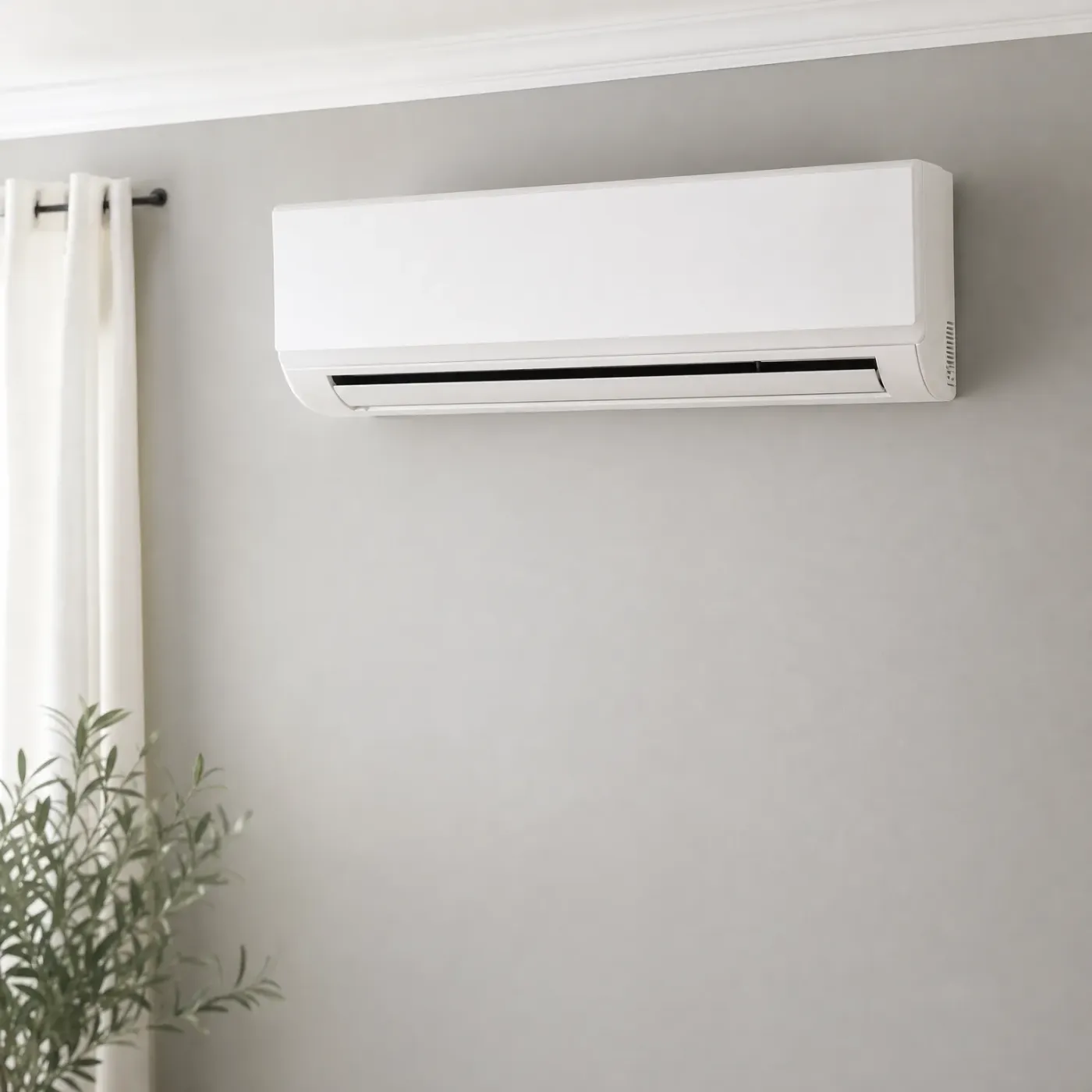
A clogged condensate line doesn't clear itself. Left alone, that water keeps finding the same path down the wall or across the ceiling, and the drywall and paint take the damage before anyone gets around to it. You already know what you're seeing on the wall or the carpet, and you know it's not going away on its own. What you don't have to figure out is who to call, how many quotes to collect, or whether the person showing up actually works on mini splits. Send the request and a contractor who handles this equipment in Tampa gets in touch with you directly. No sorting through five bids, no explaining the problem twice. Just the wet spot, the line behind it, and someone who knows exactly where to look.

The weather service puts the summer dew point here at 74°F, and that's what makes the air feel so heavy on a July afternoon. The higher that number, the more moisture your mini split has to pull out of the air just to keep the room comfortable, and all of that moisture has to leave through the drain line. A dew point this high means the coil is shedding water for hours at a stretch, all summer, which gives algae and dust more chances to build up in the line before the season's over. That's the stretch of the year you're most likely to notice a drip or a damp spot start to show up.
NASA POWER T2MDEW

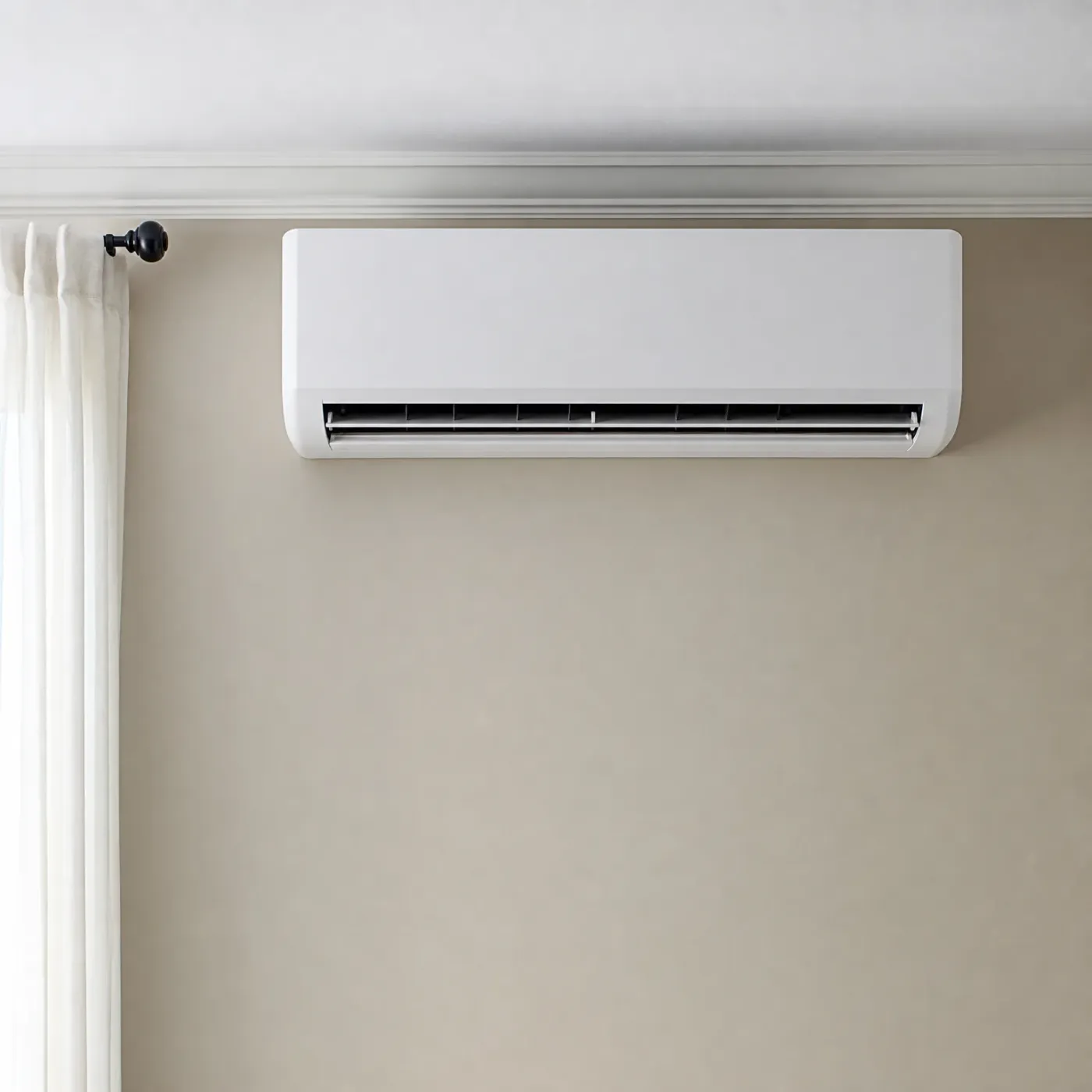
This is what a mini split looks like when the drain line is clear. It pulls moisture out of the air all day without any of it backing up, and the wall underneath stays dry. Nothing about the unit itself shows what's happening behind the casing.
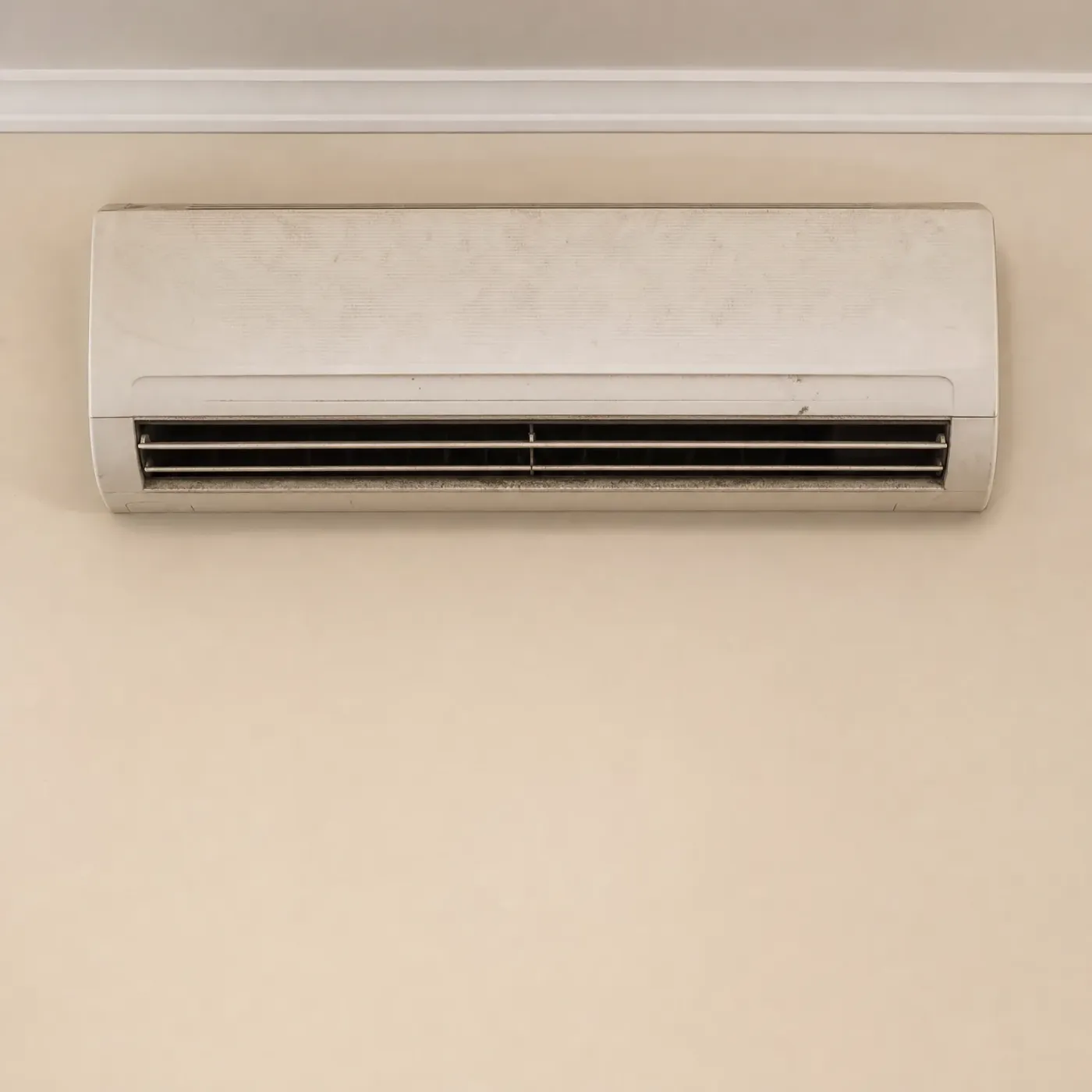
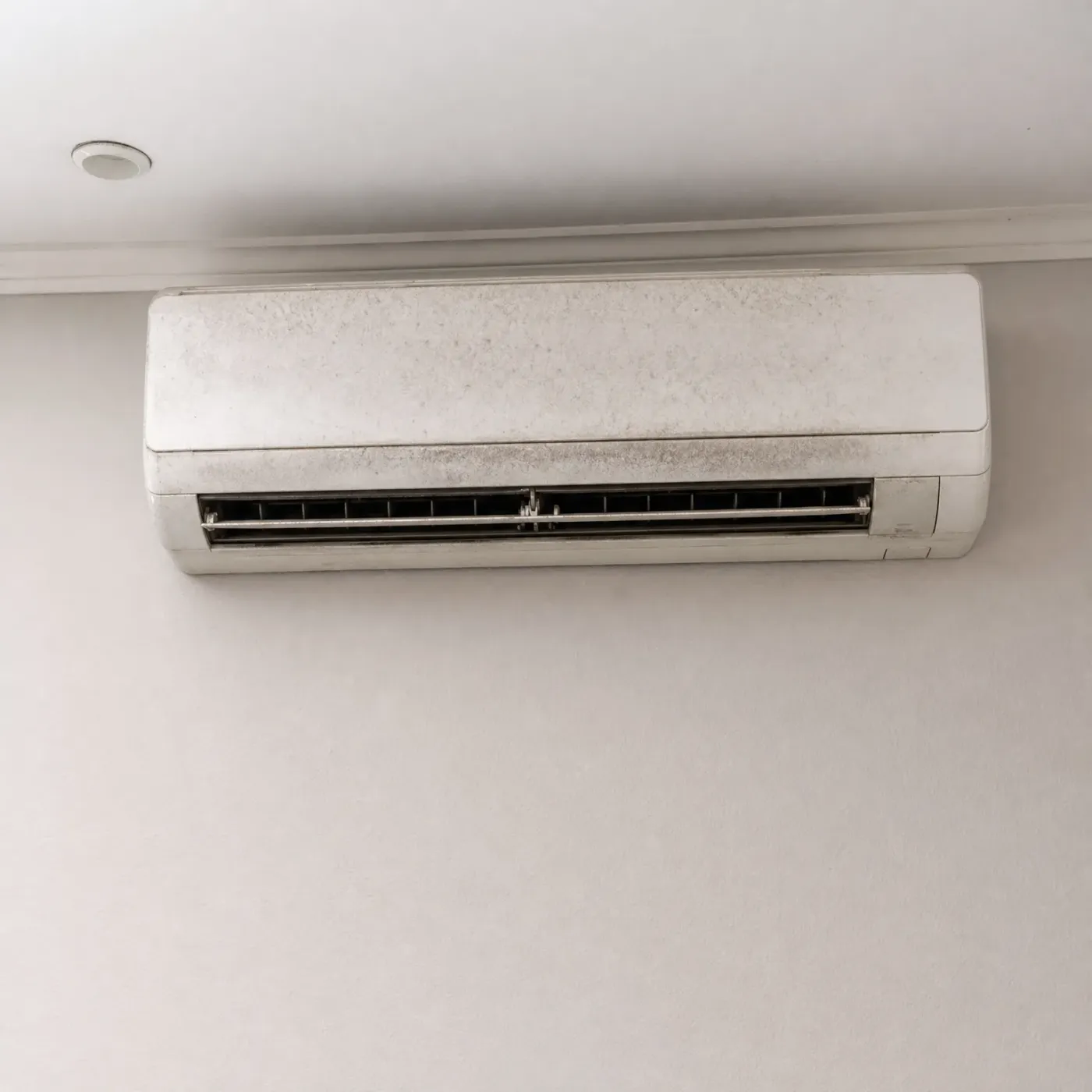
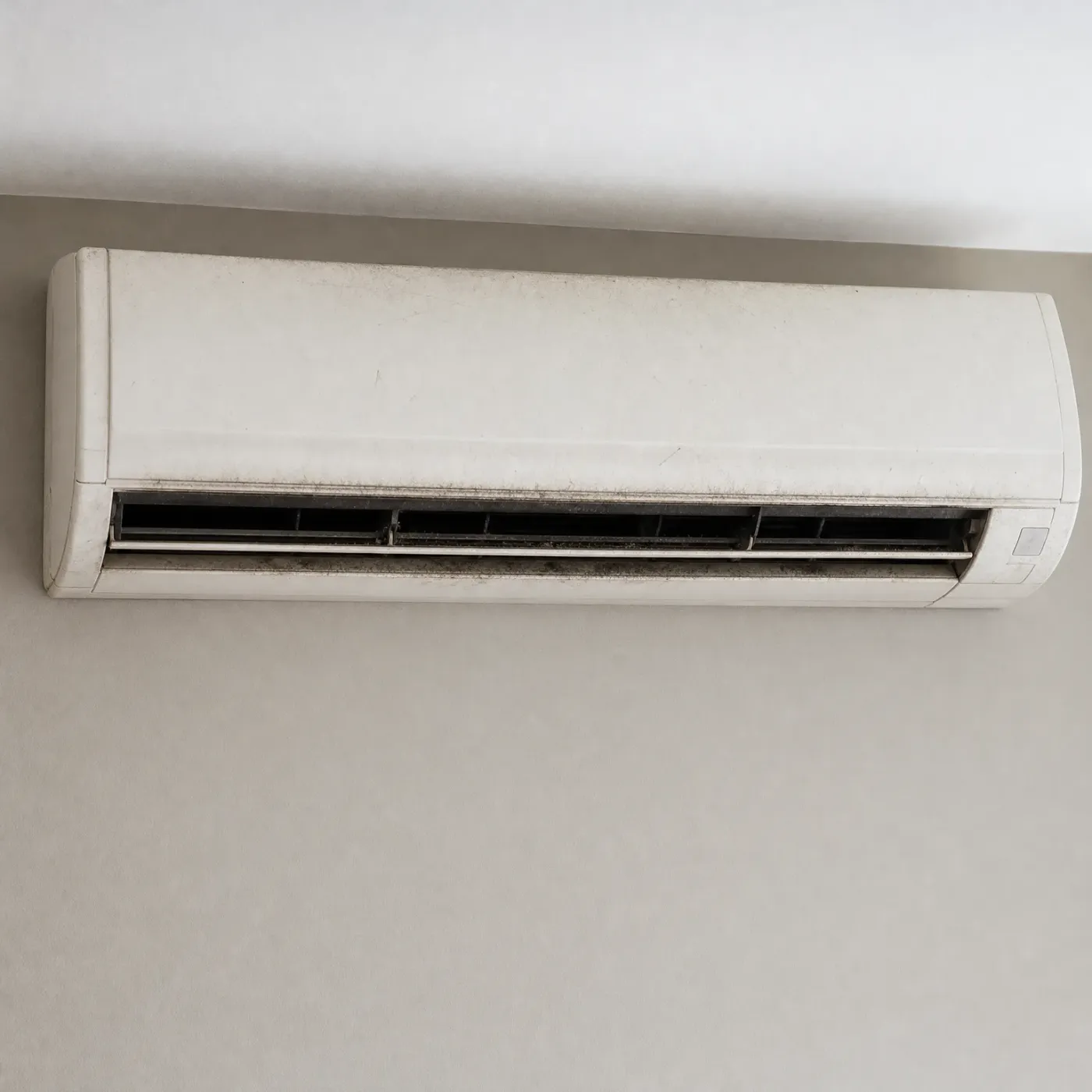
Dust and grime like this on the casing usually means the coil and drain line behind it are just as dirty. That buildup is what feeds a clog, and a clogged line is what sends water down the wall or across the ceiling instead of out where it belongs.

Water leaking from your mini split comes down to one thing almost every time: the condensate line is clogged, or the pan it drains from has cracked. Your unit runs most of the year here, and every month it runs is a month that line has to keep carrying water out. Once it backs up, the wall or ceiling underneath takes the damage, and that damage doesn't stop on its own.
A contractor who works on mini splits in Hillsborough County can look at the line, the pan, and the coil and tell you exactly where the water is coming from. You don't have to figure out which one it is before you ask. Send the form and a contractor who handles this will reach out to go over what's happening at your place and get it sorted.

Get your mini split to the right pro