

What normal looks like
No ice anywhere on the indoor unit or the line outside. Air comes out of the vane cold and steady, and you can feel it across the room. The coil inside stays dry, not wet or frosted, even after it's run for hours.
You went to check the mini split and found ice on the indoor coil, maybe even on the line running outside. It might still be blowing air, just weak and barely cool, or it might have stopped putting out any cold air at all. Running it harder or longer hasn't helped. In Tampa's heat, a frozen unit means the system is struggling right when you need it most.
Ice forms on the coil when it gets too cold, and that happens for one of two reasons. Either the airflow across it is restricted, usually from a dirty filter or a blocked indoor coil, or the refrigerant charge is low from a leak. Running a mini split nonstop through a Tampa summer makes either problem show up faster, since the coil is working for hours at a stretch with little break. Turning the unit off and letting the ice melt will bring back airflow for a while, but it comes back once the real cause is still there. A technician needs to check the filter and coil first, then test the refrigerant charge and look for a leak if it's low.
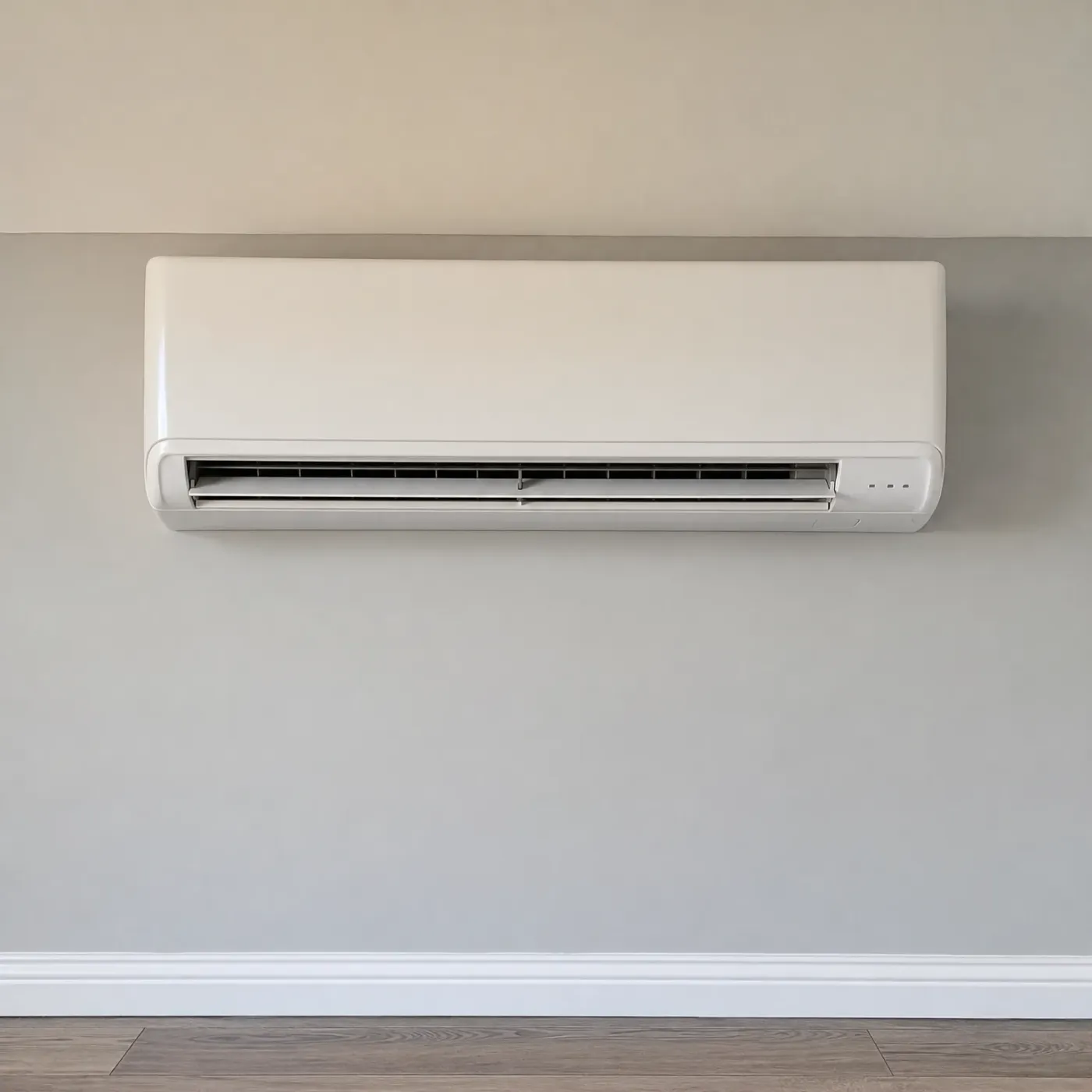
No ice anywhere on the indoor unit or the line outside. Air comes out of the vane cold and steady, and you can feel it across the room. The coil inside stays dry, not wet or frosted, even after it's run for hours.
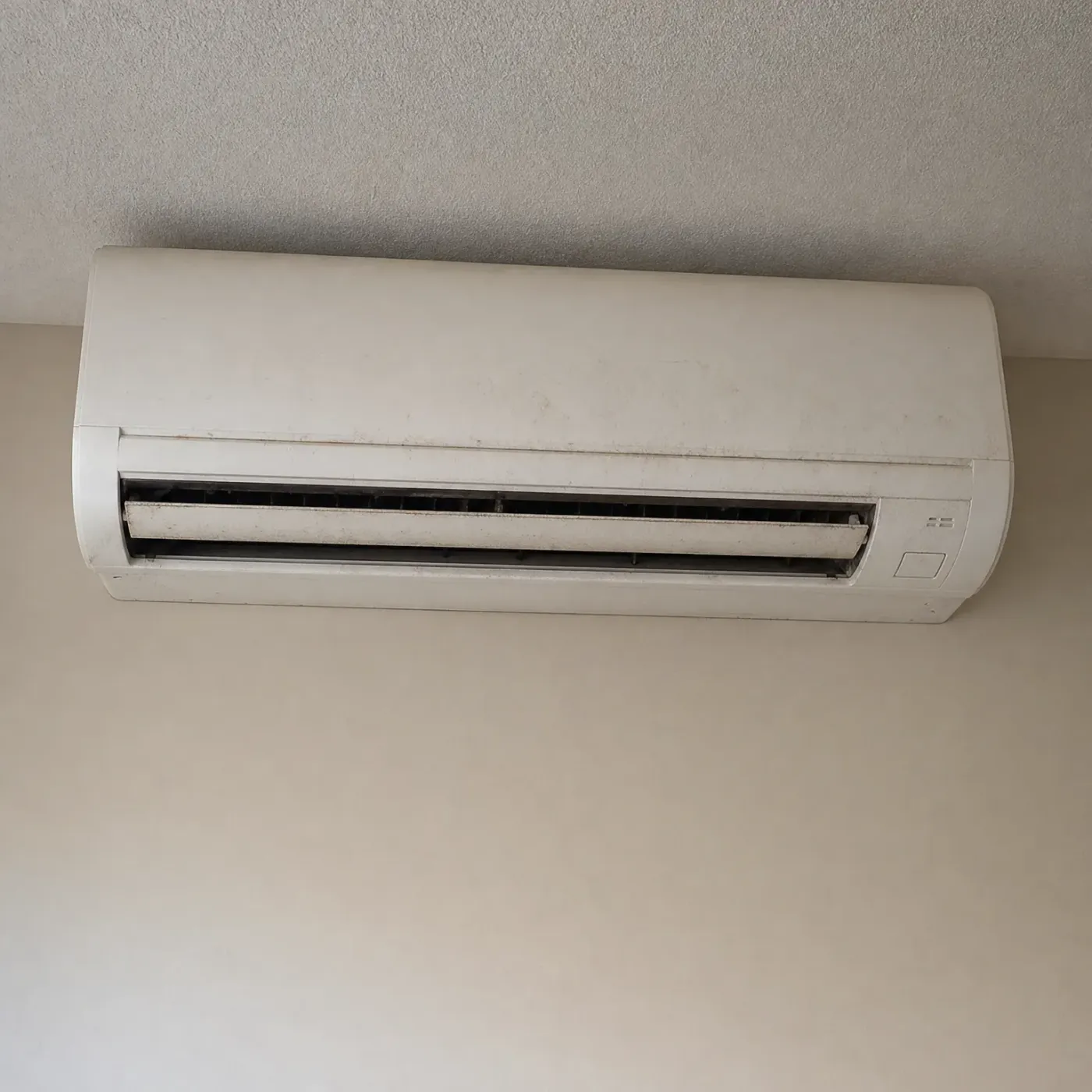
Ice builds on the coil and spreads down the line outside. Dust and grime on the housing usually mean the filter hasn't been cleaned in a while, and a dirty coil behind it freezes faster than a clean one. Airflow drops before the ice ever shows.
Cooling runs March through November
Your mini split runs cooling nine months of the year here, March through November, so a frozen coil isn't a one-time fluke. It's a system under long, steady load.
Heat runs December through January
Heat only runs about two months here, December and January. The rest of the year that same unit is cooling, which is when frozen coils happen.
Power here costs 17.13 cents per kilowatt-hour
Electricity here runs 17.13 cents per kilowatt-hour. A mini split icing up and running anyway pushes that bill higher for less cold air.
NOAA nClimDiv 1991-2020 · EIA-861 2025
The indoor coil has to stay above freezing to shed moisture instead of ice. Two things keep it there: enough airflow moving across it, and enough refrigerant inside it. Cut either one back and the coil's surface temperature drops below 32 degrees. Once ice starts, it narrows the airflow path even more, so the problem feeds itself. That's why a mini split that's been low on charge or short on airflow for a while tends to go from a little frost to a solid block of ice over a few days, not all at once.
Leaving the unit on cooling keeps pulling warm, moist air across an already frozen coil, which only adds to the ice. The system needs the compressor off and the fan running, or no power at all, for the ice to melt on its own. That can take several hours depending on how much has built up. Switching to heat mode on some units will reverse the cycle and speed this along, but running cooling against ice just keeps the coil cold and wastes power without moving any heat out of the house.




The pro who gets in touch is licensed in Florida and works in Hillsborough County.
It costs nothing to send, and you don't have to hire anyone.
While the coil is iced over, it isn't cooling your house, no matter how long the system runs. The thermostat keeps calling and the unit keeps drawing power, but what comes out of the vane is weak and warm. Rooms that depend on that mini split start climbing, especially upstairs or in whatever space it serves alone. Run it long enough in this state and the ice works past the coil itself, building up on the line outside too. Shutting it off and letting it thaw is the right move before anyone resets it or keeps cycling it, because a compressor forced to run against a blocked coil is working harder than it was built for.
A mini split that's frozen once in a Tampa summer will freeze again if whatever caused it doesn't get fixed, and with cooling running nine months a year here, that's a lot of chances for it to repeat. Each cycle of freezing and thawing puts water where it shouldn't be, around the indoor unit and sometimes dripping from it. The compressor is the expensive part to replace, and it's the part most at risk when refrigerant is low or airflow is blocked for an extended stretch. A technician who knows this equipment can find what's actually behind the ice before it costs you that compressor.


Ice on the coil always comes down to one of two things cut short: airflow or refrigerant. A dirty filter is the common one, because return air has nowhere else to go but through it, and once it's clogged the coil behind it runs colder than it should. A blower motor on its way out, or a wheel packed with dust, causes the same problem from the inside. Low refrigerant works differently. A leak drops the pressure in the coil, and that alone can pull its surface below freezing even while the blower runs normally. Fall and spring add another wrinkle here, since outdoor temperatures at night can drop enough to let ice form on a unit that has nothing wrong with it at all. However it starts, ice feeds itself. Once it's on the coil, it blocks more air than it did before, so the freeze gets worse the longer the system runs. Shutting it off long enough to melt the ice might bring the airflow back for a while, but it doesn't touch whatever caused it, so the coil freezes again once it's back on.
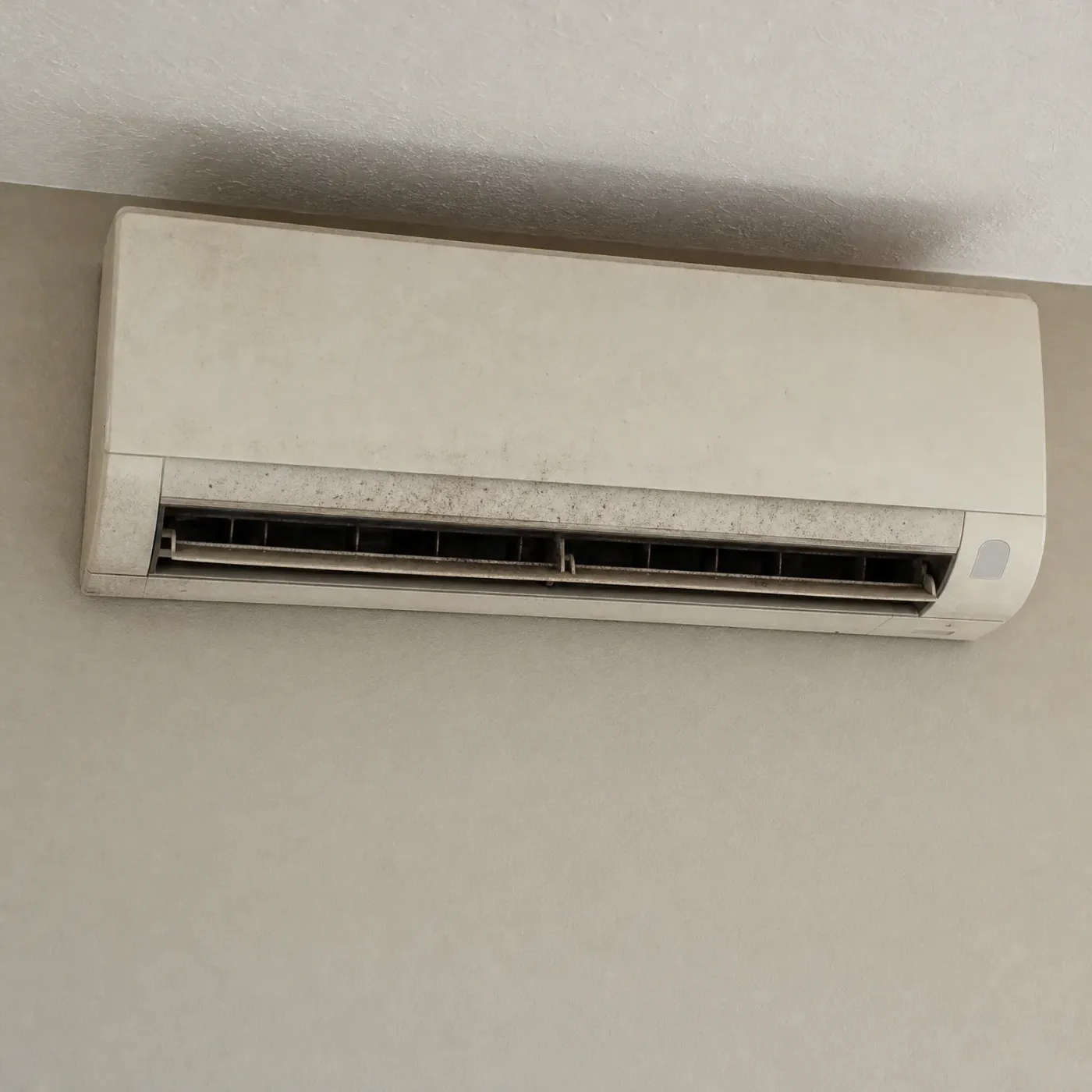
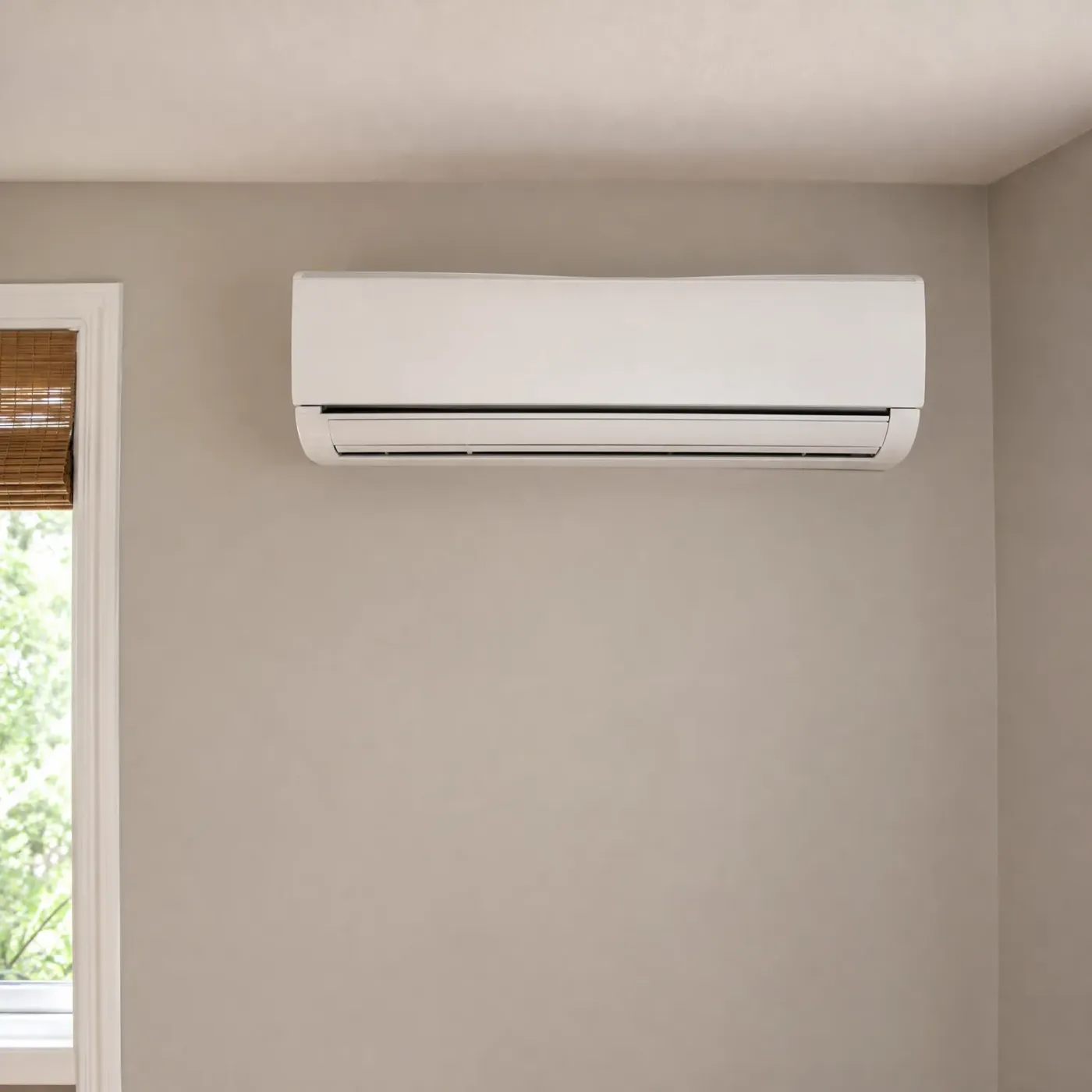
Keep running it and hoping the ice clears on its own, and you risk flooding the floor under the indoor unit once it thaws, or worse, pushing liquid refrigerant back into the compressor.
Shut it off and let it sit, and the ice melts clean on its own in a few hours, but the thing that caused it in the first place is still there waiting once you turn it back on.
Nine months of cooling means your mini split barely gets a break, and that long stretch of running is what wears down the filter and the refrigerant charge that keep the coil from icing over in the first place. A unit that freezes once in a season like this is likely to do it again unless whatever caused it gets fixed.
NOAA nClimDiv 1991-2020
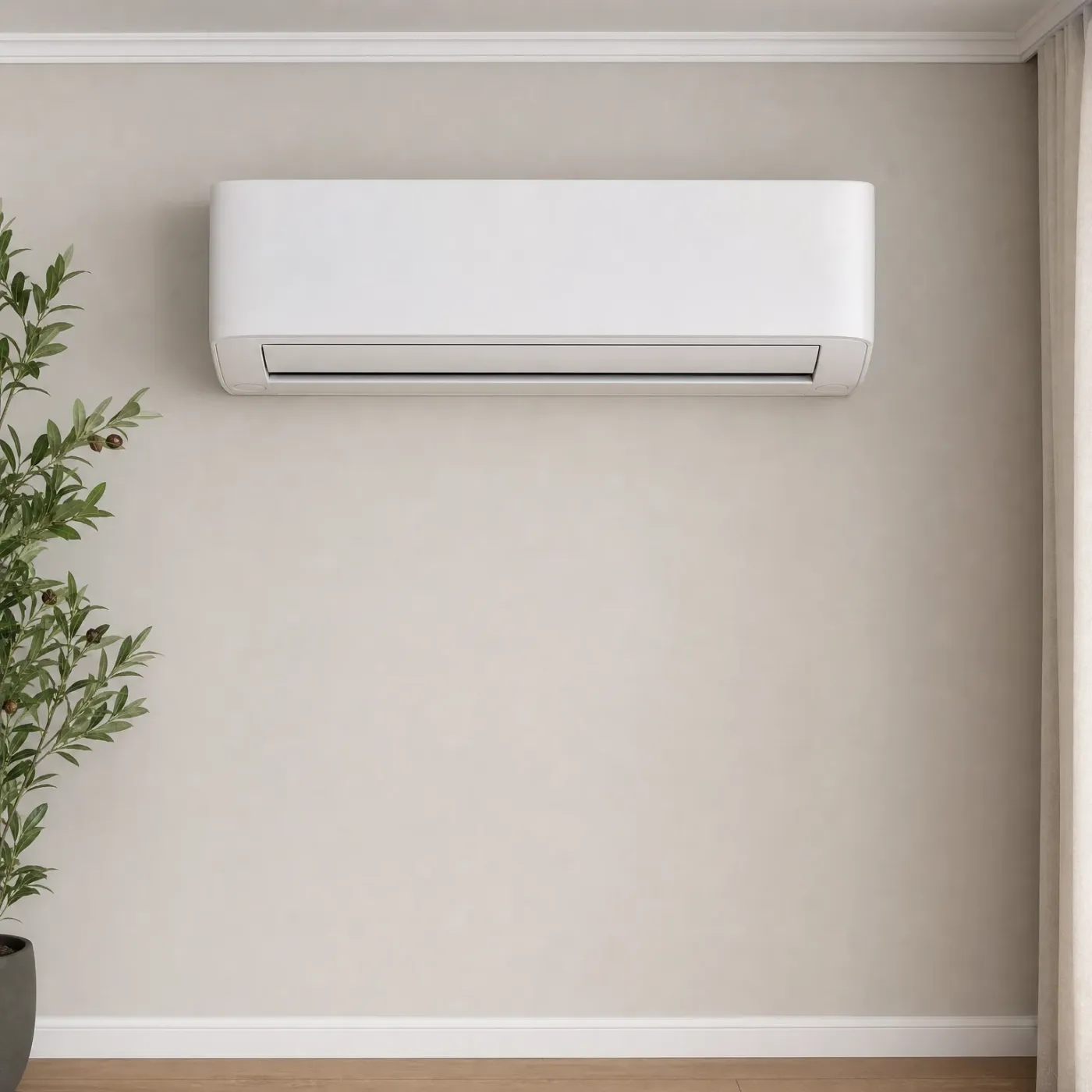
This is a mini split moving air the way it should. The vane stays dry, the casing stays clean, and cold air pushes out steady across the room. Nothing on the coil or the line outside hints at trouble building up behind the cover.
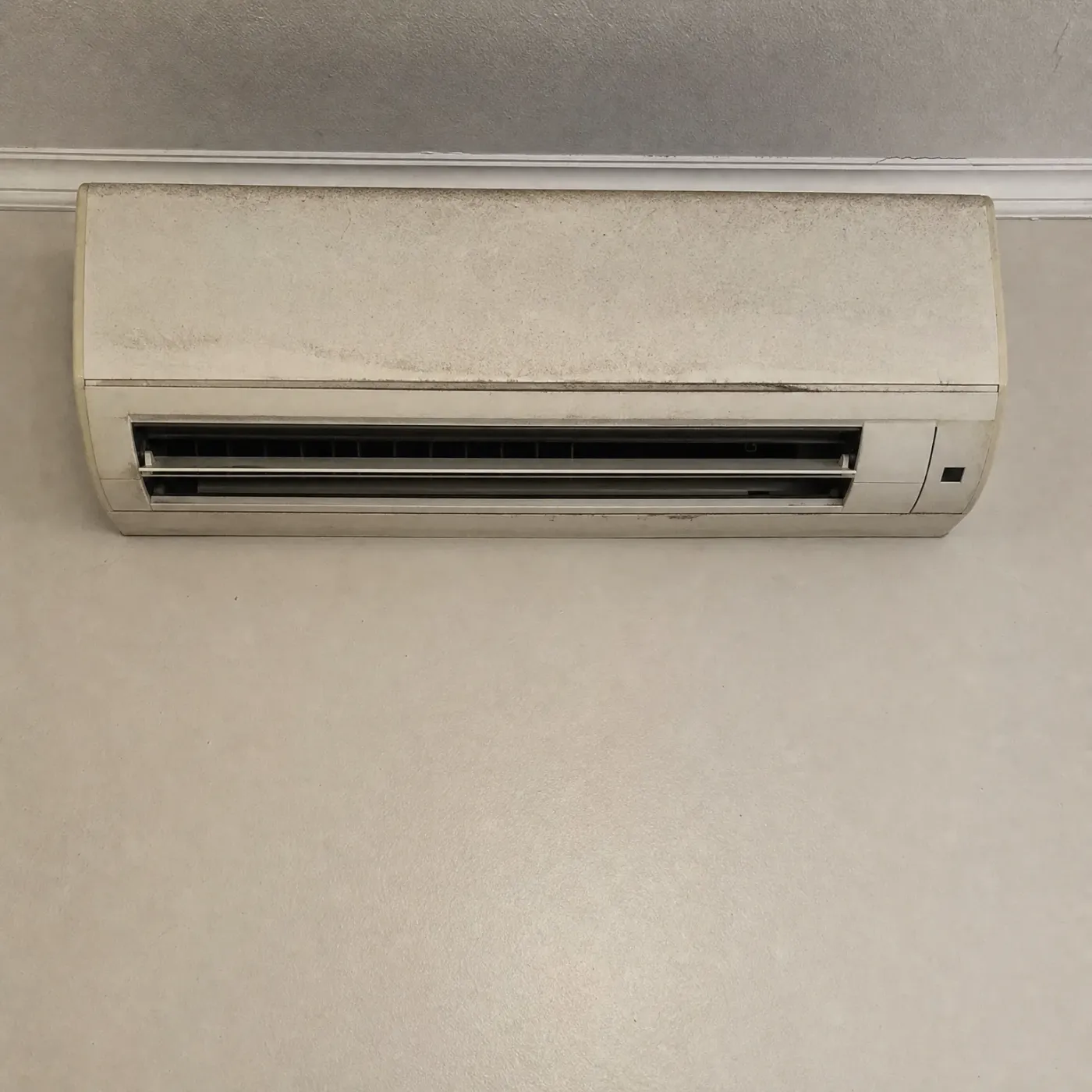
Dust and grime like this cake onto the vents and block the airflow the coil needs to stay above freezing. Once that buildup thickens, the unit you see here is one dirty filter away from icing over instead of cooling.
A frozen mini split comes down to one of two things: not enough air moving across the coil, or not enough refrigerant inside it. Shut it off, let the ice melt, and get the cause checked before you run it again. That part matters more here than almost anywhere, because your system runs cooling nine months a year and doesn't get much of a break to recover from a problem left alone. A tech who works on mini splits all over Hillsborough County through a Tampa summer has seen this exact freeze more times than most, and knows which of the two causes to check first. You'll be matched with one licensed local contractor for this, not a handful of companies calling you back at once, so you're dealing with one person who can look at the coil, the filter, and the line set and tell you straight what's going on. The ice isn't the problem. It's what's keeping the coil from doing its job, and that's what gets fixed.

A licensed pro who works in Hillsborough County gets your request.
No charge to send it. You decide if you hire them.