Is a mini split cheaper than baseboard heat in Florida
Describe the project once instead of to every installer.
A mini split costs less to run than baseboard heat almost everywhere in Florida, because it moves heat instead of making it, and most homes here heat with electricity anyway. You already have one, so this isn't a question of whether to switch. It's a question of what's installed, how it's sized, and whether it's set up to replace the baseboards rather than just supplement them.
That part matters more than the equipment itself. A mini split that's undersized or placed wrong will run harder than it should and cost more than the comparison suggests. A contractor who installs these year-round in Florida knows how to size one against your square footage and your summer humidity, not just your winter heat load, because the same unit has to handle both.
Finding that person is usually the slow part. You'd be looking up reviews, calling a few companies, explaining the same thing about your baseboards and your layout each time, then waiting on quotes to compare line by line. None of that gets your heat fixed. It just gets you to someone who can.
This page skips that part. You get matched with one licensed, local contractor who already does this work in this climate, not a list of five companies calling you back at once. They'll look at what you have, tell you what a mini split install would actually look like in your home, and go from there.
The button below starts that.
A mini split costs less to run than baseboard heat does. Baseboard heat makes heat with electric resistance, the same way a toaster does, and every watt it draws turns straight into warmth. A mini split moves heat instead of making it, so it delivers several times more heat per watt than baseboard ever can. In Florida, where winters are mild and most homes already heat with electricity, that difference shows up on your power bill every month you run it. Since you already have a mini split, the real question isn't whether it's cheaper. It's whether yours is set up to actually deliver those savings: sized right for the room, installed with a tight line set and a clean electrical hookup, and serviced so it keeps that efficiency year after year. A unit that's undersized, poorly charged, or leaking refrigerant will cost you more to run than it should, baseboard comparison aside.
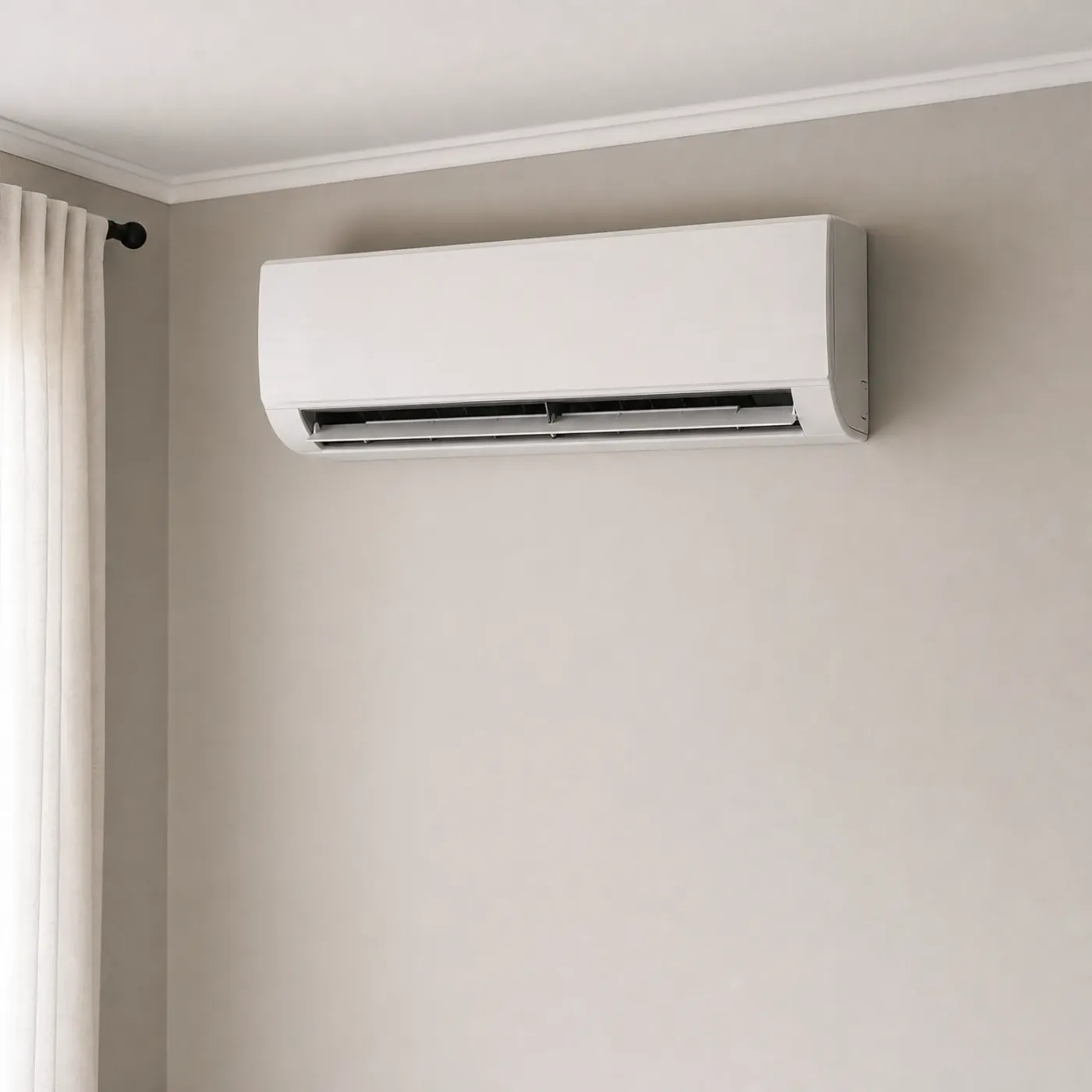
A mini split installed and sized right for the room holds its advantage over baseboard heat all winter.
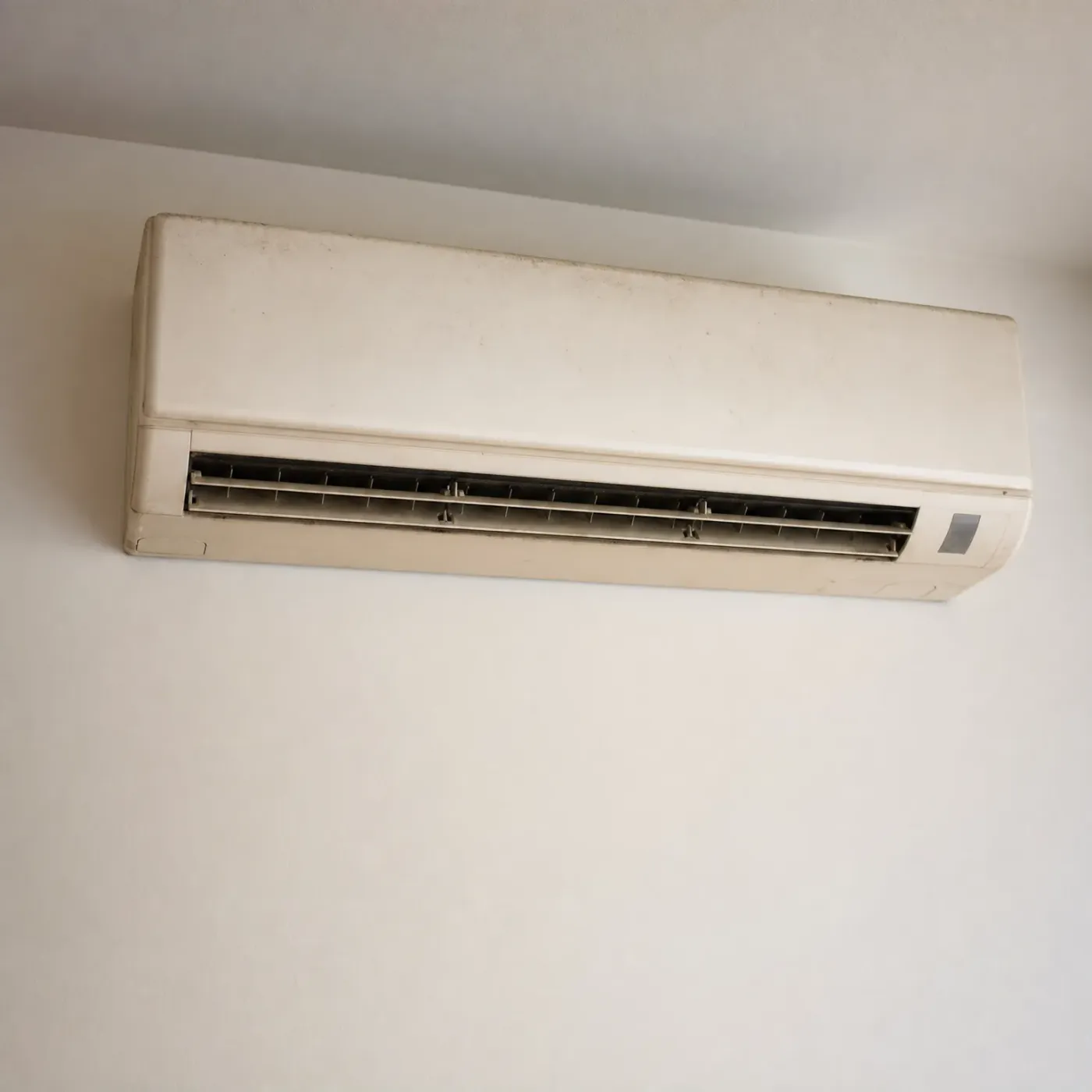
A mini split past its years loses efficiency and can cost you the savings you installed it for.
How a Mini Split Actually Heats
A mini split pulls heat out of outdoor air and concentrates it indoors through a refrigerant coil, even when it's cold outside.
The compressor is the part doing the real work, squeezing refrigerant so it releases heat on the indoor side.
Baseboard heat has no compressor or coil, it just runs current through a resistance element and radiates that warmth into the room.
A mini split's output is rated by how many units of heat it moves per unit of electricity, which is why it beats straight resistance heat.
The indoor head modulates its speed instead of switching fully on and off, so it holds a room's temperature more evenly than baseboard heat does.
Below a certain outdoor temperature a mini split's output drops, which is why sizing it for your coldest nights matters.
A mini split and a baseboard heater both end with warm air in the room, but they get there in completely different ways. Baseboard heat is simple: current runs through a resistance element, the element gets hot, and the room picks up that heat by radiation and convection off the unit. Nothing moves, nothing compresses, nothing changes state. A mini split works more like a refrigerator running backward. Refrigerant in the outdoor unit absorbs heat from the outside air, even air that feels cold to you, and a compressor squeezes that refrigerant so it gets hot enough to release its heat indoors through the coil in the indoor head. That compressor is doing mechanical work, not just converting electricity directly to heat, which is why the unit can move more heat energy into your home than the electricity alone would produce if you ran it through a resistance coil. The indoor head also doesn't just cycle on and off. It modulates, speeding up or slowing down the compressor and fan to match what the room needs, which keeps the temperature steadier than baseboard's blast-then-wait cycle. The one limit worth knowing: as outdoor temperatures drop, there's less heat in that outside air for the system to pull from, so the unit's output and its efficiency both fall off. Florida rarely sees temperatures low enough for this to matter much, but it's part of how the system was sized for your home.
What decides whether you actually see that savings is whether the mini split was sized and installed right for the room it's heating. One that's too small runs constantly and leans on backup heat to keep up. One that's too big short cycles and never settles into the efficient range it's built for. Either way you lose the advantage on paper. Finding that out usually means tracking down a few contractors, explaining your setup to each one, waiting on quotes, and sorting through who actually knows mini splits versus who mostly does central air. Submit the request here instead and it goes to a licensed contractor local to your part of Florida, someone who installs and services this equipment through the muggy summers and the mild winters alike and has seen which units hold up and which don't. You get one contractor looking at your actual situation, not a pile of callbacks to sort through.
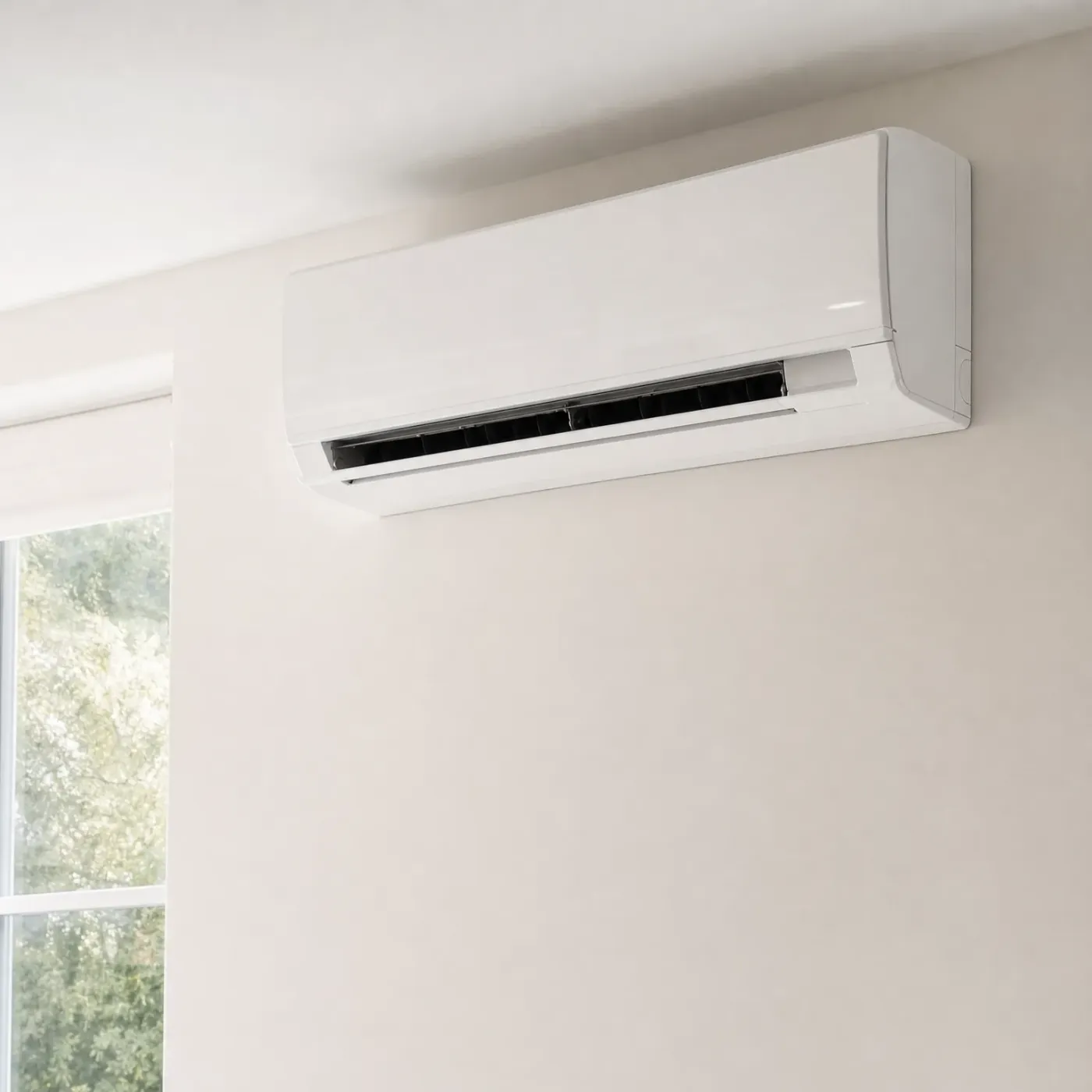
Running clean and sized right
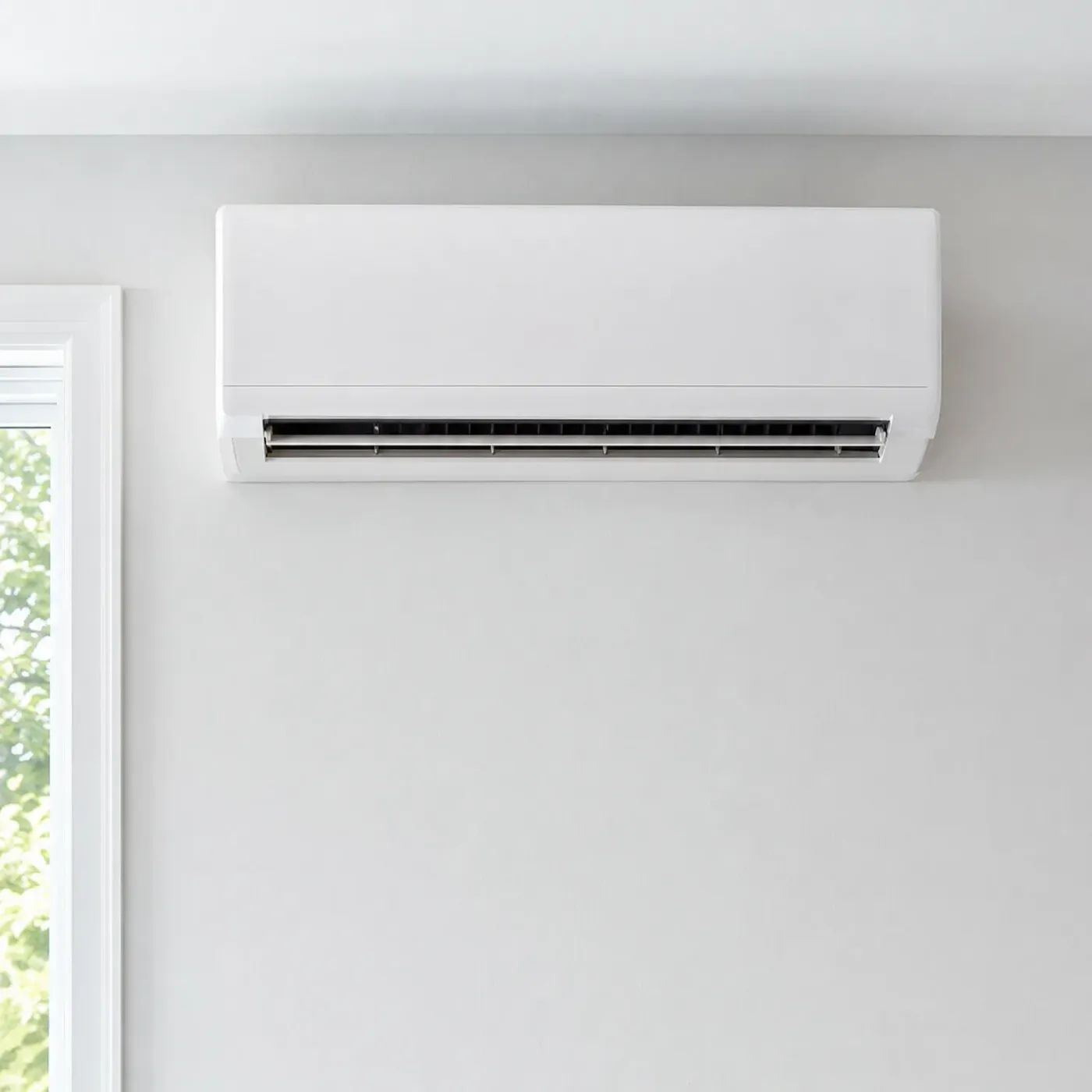
This is what keeps the advantage over baseboard heat. The unit pulls air in, moves it across a clean coil and filter, and puts heat into the room without a fight. It holds its output through a Florida winter and through the muggy months it's also pulling moisture out of the air.
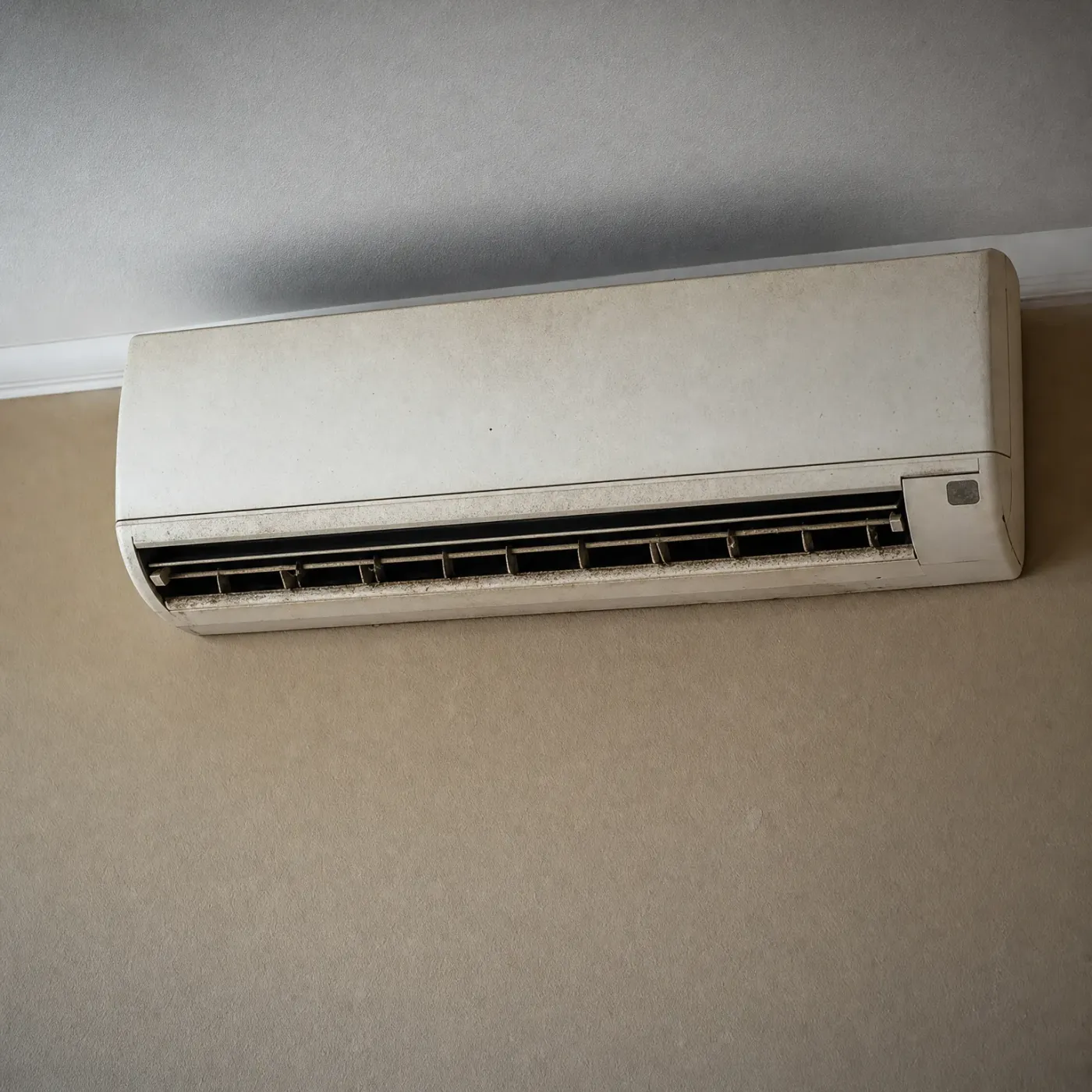
Dirty and neglected
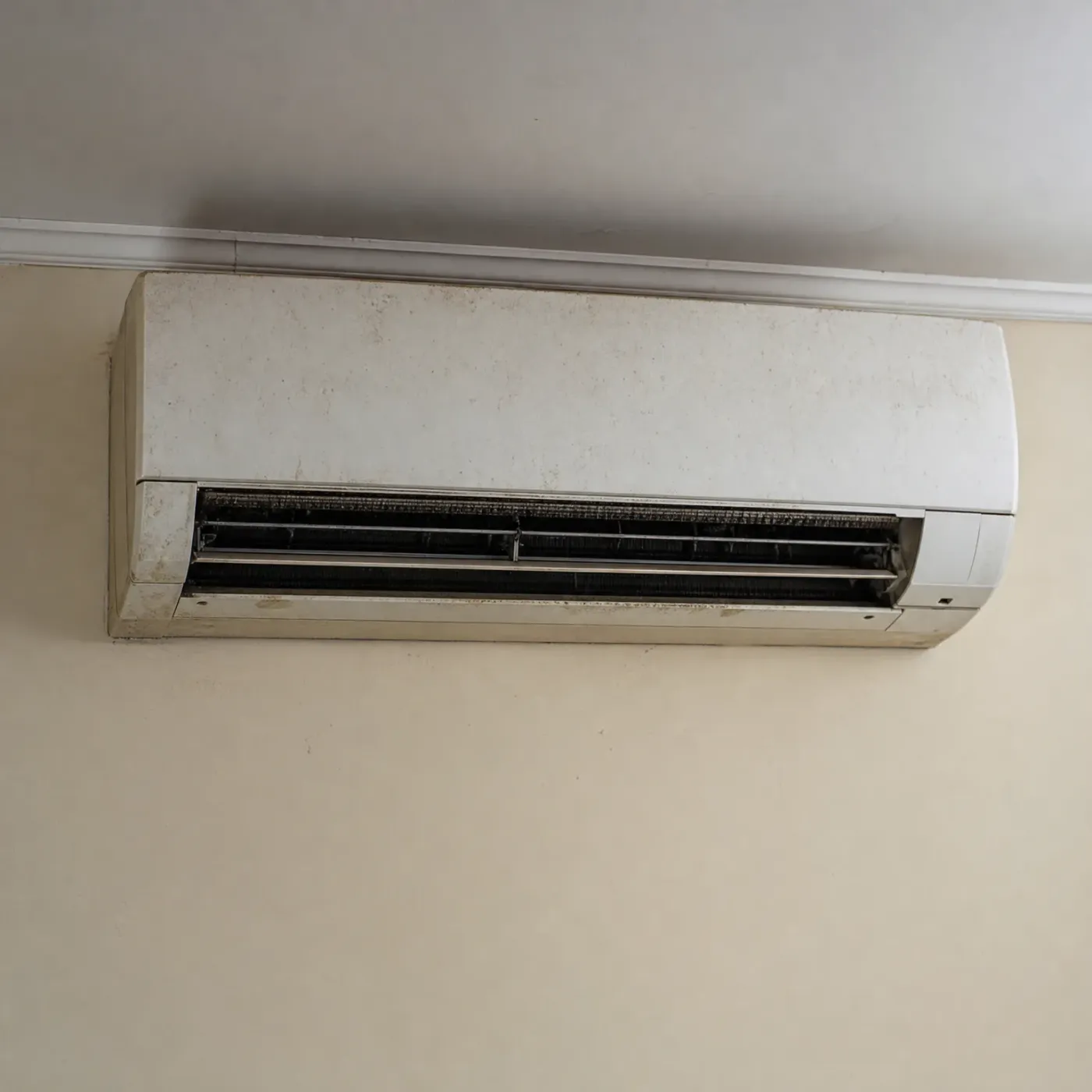
Dust on the casing usually means dust on the filter and coil too. A mini split working through that runs longer to deliver the same heat, and a unit that's losing ground like this is also one nobody checked for the right size when it went in. Either way, the savings you're counting on start slipping.
Before you get your mini split installationAfter you get your mini split installation
1
A tech checks the room's size and heat loss first
2
The outdoor unit and indoor head get matched to it
3
Refrigerant lines run between the two and get sealed
4
The system gets charged, powered on, and tested for output
Power costs 15.21 cents per kilowatt-hour statewide
That rate applies to every kilowatt-hour your mini split draws, so the gap between moving heat and making it shows up on your bill in real terms, not just in theory. A mini split pulling several times less power than baseboard heat for the same warmth turns into actual dollars saved each month at that price.
EIA-861 2025 statewide residential average
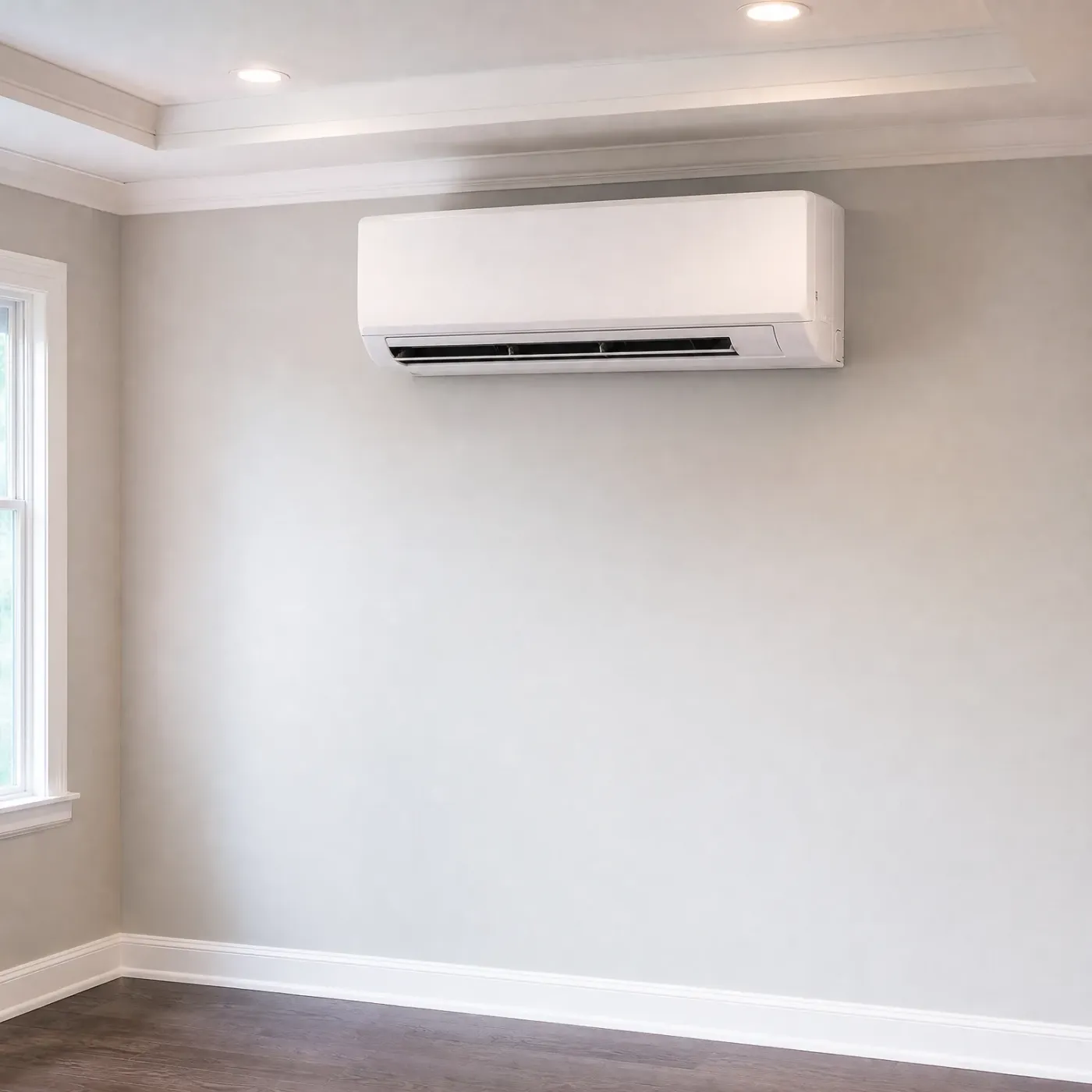
Working the way it should
A mini split mounted clean near the ceiling, moving air freely, holds the efficiency that beats baseboard heat. Nothing blocks the coil or the vents, so it pulls in air, heats it, and puts it back into the room without drawing extra power to make up for dirt in the way.
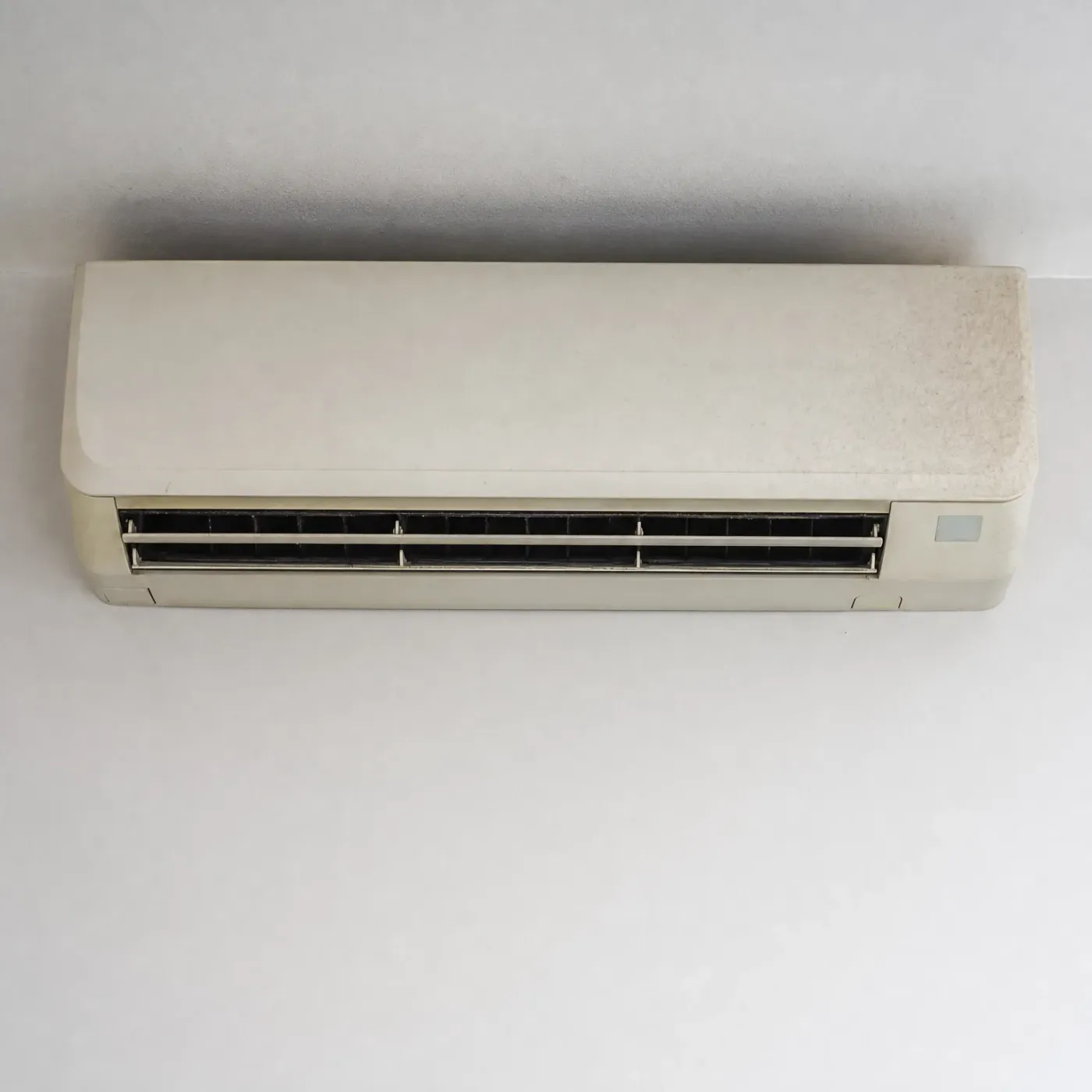
Losing the advantage
Dust built up on top and dark residue around the vents mean the coil underneath is likely just as dirty. A mini split working through buildup like that pulls more power for the same heat, and the gap that normally favors it over baseboard starts to close.
A mini split that's installed right beats baseboard heat in Florida
A mini split costs less to run than baseboard heat in your home, as long as it's sized for the room and put in correctly. That's the whole answer. The equipment does the rest.
Getting there means finding someone who installs these every season, knows what Florida homes need, and gets the sizing right the first time. Instead of calling around to different companies, explaining your setup more than once, and sorting through quotes that are hard to compare, you'd be handed one licensed local contractor who already knows this equipment and what it takes to get it running the way it should.
Mini Split Installation
One form, no calling around
Your request goes to one pro, not a list of companies.