Does a mini split lower heating bills in Florida

Step 1 of 3: Equipment

A mini split lowers your heating bill if you're heating with electricity now. Most homes in Florida already do, usually with electric strip heat or an older electric furnace, and both cost more to run than a mini split. The reason is how each one makes heat. Strip heat and electric furnaces turn electricity straight into heat. A mini split uses a heat pump, which moves heat instead of generating it, so it delivers more warmth for the same amount of power. Florida winters are mild enough that a heat pump doesn't have to fight hard to keep up, which is exactly the condition it runs best in. The savings show up most in whatever room or zone the mini split actually heats, so where you put it and how your home is set up matters. For most homes here switching from electric heat to a mini split means a lower bill through the winter months.

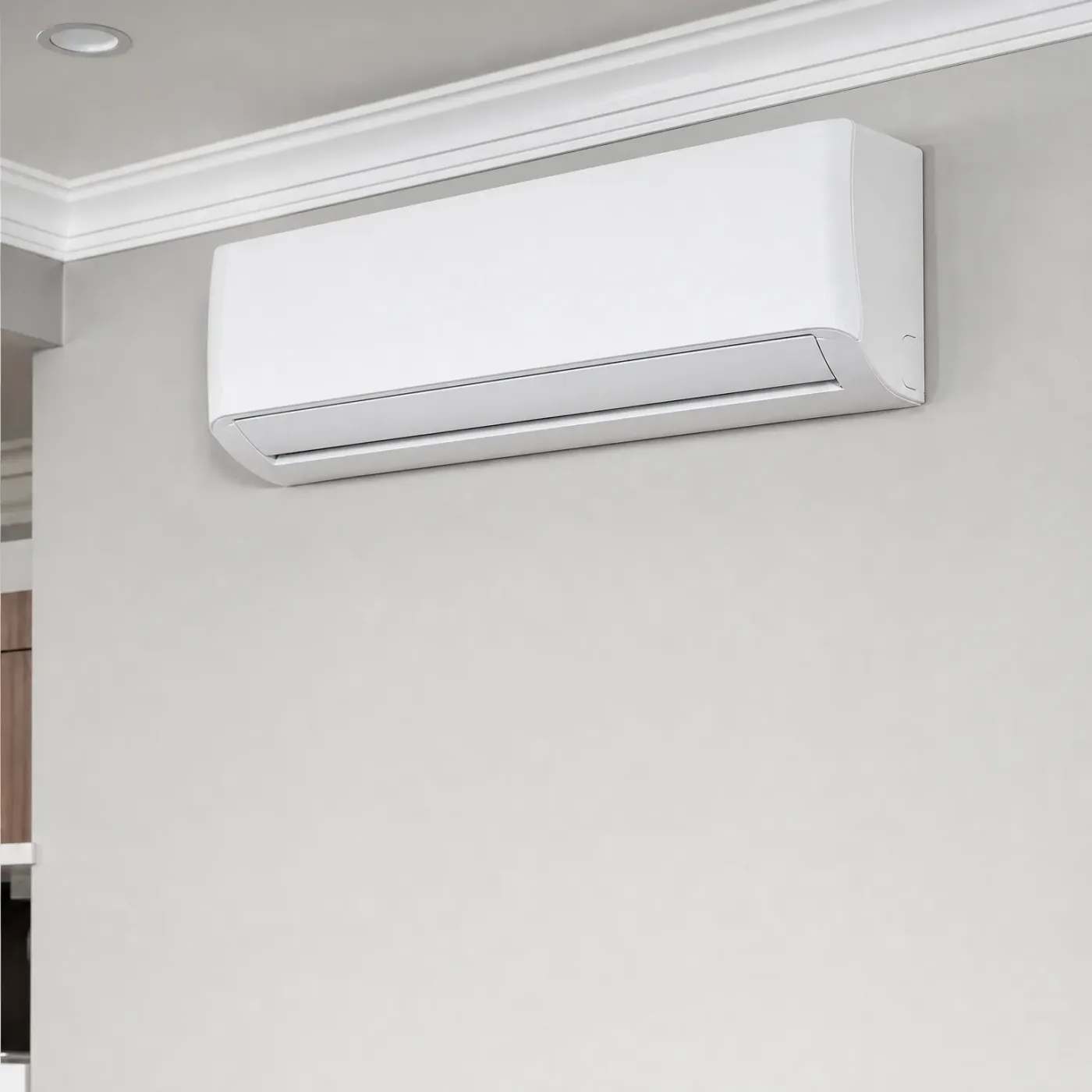
A white wall-mounted mini-split air conditioner installed high on a light gray interior wall below a white crown molding and ceiling with a recessed light.

Sized right, running well

A mini split that's sized for the room holds its temperature without straining. In winter it pulls heat from the outside air and moves it in, using a fraction of the electricity that strip heat burns to make that same warmth. The unit cycles quietly and the room stays even.
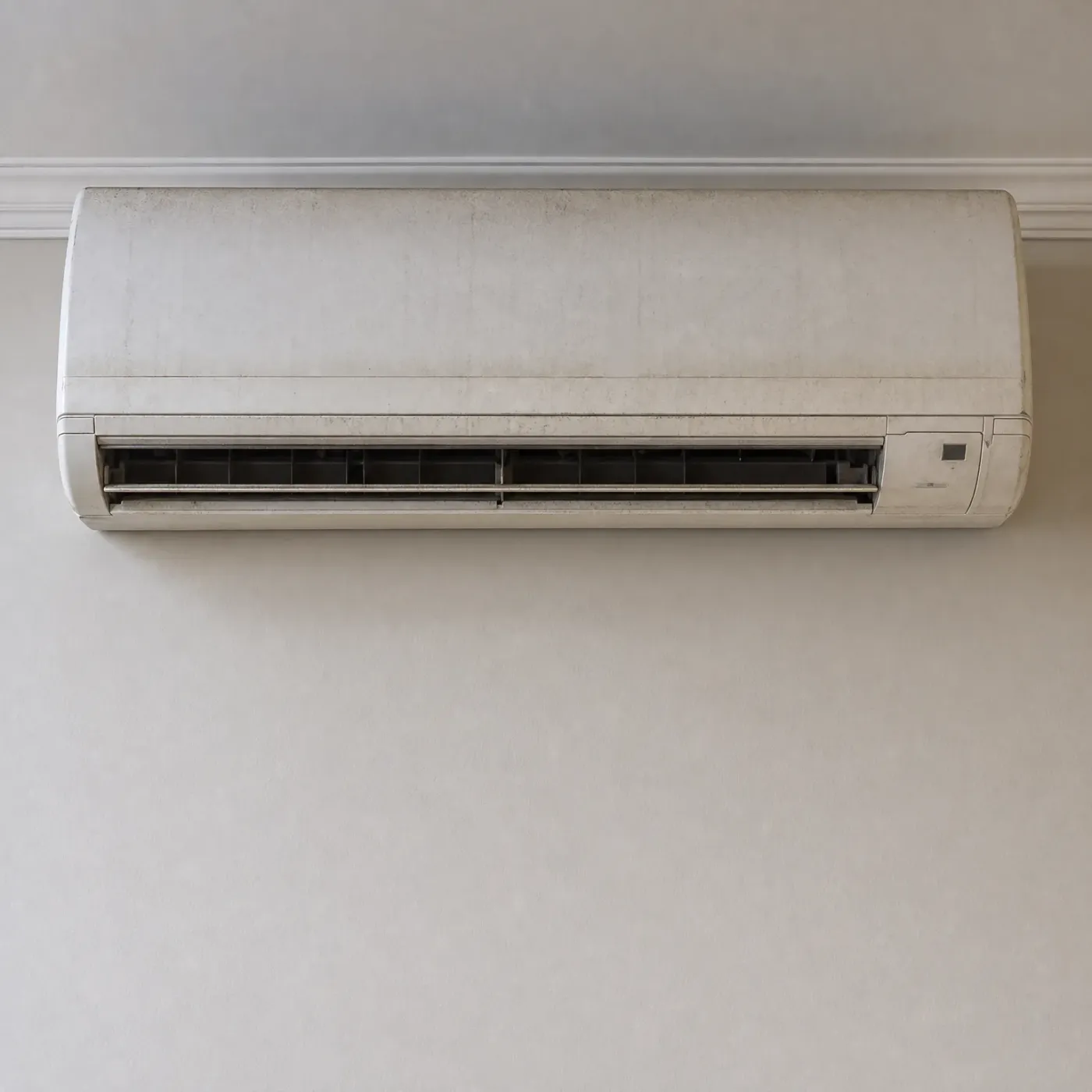

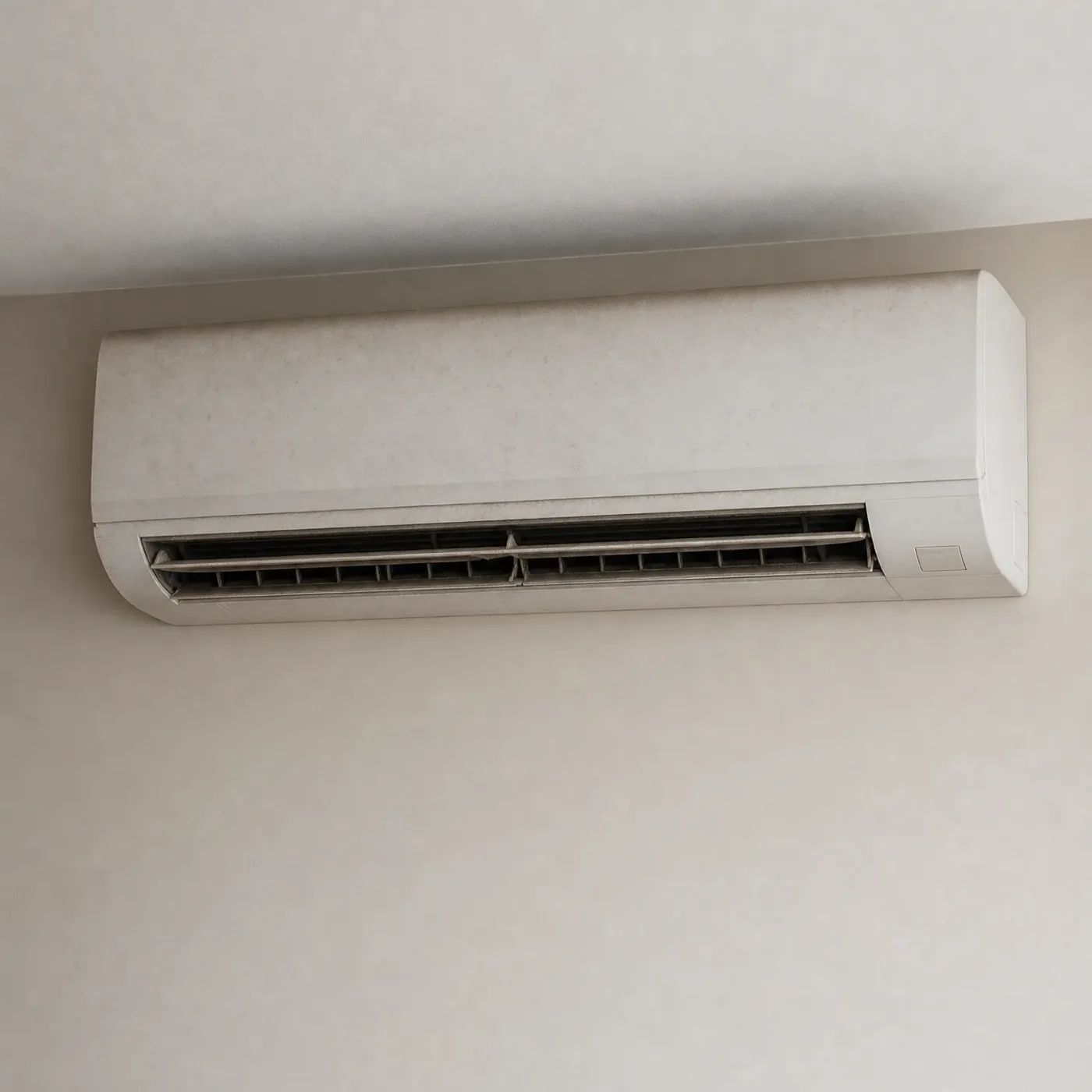
A dusty, discolored white wall-mounted mini-split air conditioner unit installed on a plain beige interior wall below a molding strip.

Old or undersized unit

A mini split that's too small for the space, or one that's been running for years past its prime, has to work harder to keep up. The casing shows it, dusty and yellowed, vents open wide trying to push out enough air. It runs longer, pulls more power, and still falls short on the coldest nights.

A man in a blue sweatshirt reclines with closed eyes in a brown leather armchair in a living room with a bookshelf, houseplant, sofa, window, and a side table holding newspapers and a dark mug.
A bearded man in a gray pullover reclines with closed eyes on a brown leather sofa in a sunlit room with a window, framed picture, potted plant, and a wooden cabinet holding papers and a dark mug.
A man in a gray sweater leans back with closed eyes in a brown leather armchair beside a wooden side table holding a dark mug and a folded newspaper, with bookshelves and a window seat behind him.
A man in a green sweater reclines in an armchair with his eyes closed and a slight smile, beside a window with plants, a small table holding a mug and folded newspaper, and bookshelves behind him.

A furnace or strip heat makes warmth by forcing electricity through a resistance coil, the same thing a toaster element does, and that takes a lot of power for every degree you get back. A mini split doesn't make heat that way. The outdoor unit pulls heat out of the air outside, even on a cold night, and a refrigerant line carries it in to the indoor head. Moving heat costs far less power than making it from scratch. The compressor outside also doesn't just switch on and off like a furnace burner does. It speeds up or slows down to match what the room is actually losing, so it isn't drawing full power once the room's caught up. The indoor head sits right in the room it heats, reading that room's real temperature and backing off power once it's satisfied. None of that works if the unit is the wrong size for the room, or if the filter's dirty or the outdoor unit is blocked. Either one makes the compressor work harder to move the same amount of heat.

How a mini split makes heat

  • A mini split uses a refrigerant cycle to pull heat out of the outside air, even when that air is cold, and pumps it inside through the indoor head.
  • Strip heat and older electric furnaces make warmth by running electricity through a resistance coil, the same way a toaster does, which uses far more power per degree of warmth produced.
  • The outdoor compressor adjusts its speed to match how much heat the room is losing, instead of switching fully on and off the way a furnace does.
  • Because the indoor head sits in the room it serves, it reads that room's actual temperature and stops drawing power once it's met.
  • A mini split that's oversized for the space will short cycle, shutting off before it dehumidifies or evens out the room, so sizing it to the room matters as much as the equipment itself.
  • A clean filter and an unobstructed outdoor unit let the compressor move heat at the rate it was designed for, so restricted airflow on either side makes it work harder for the same warmth.
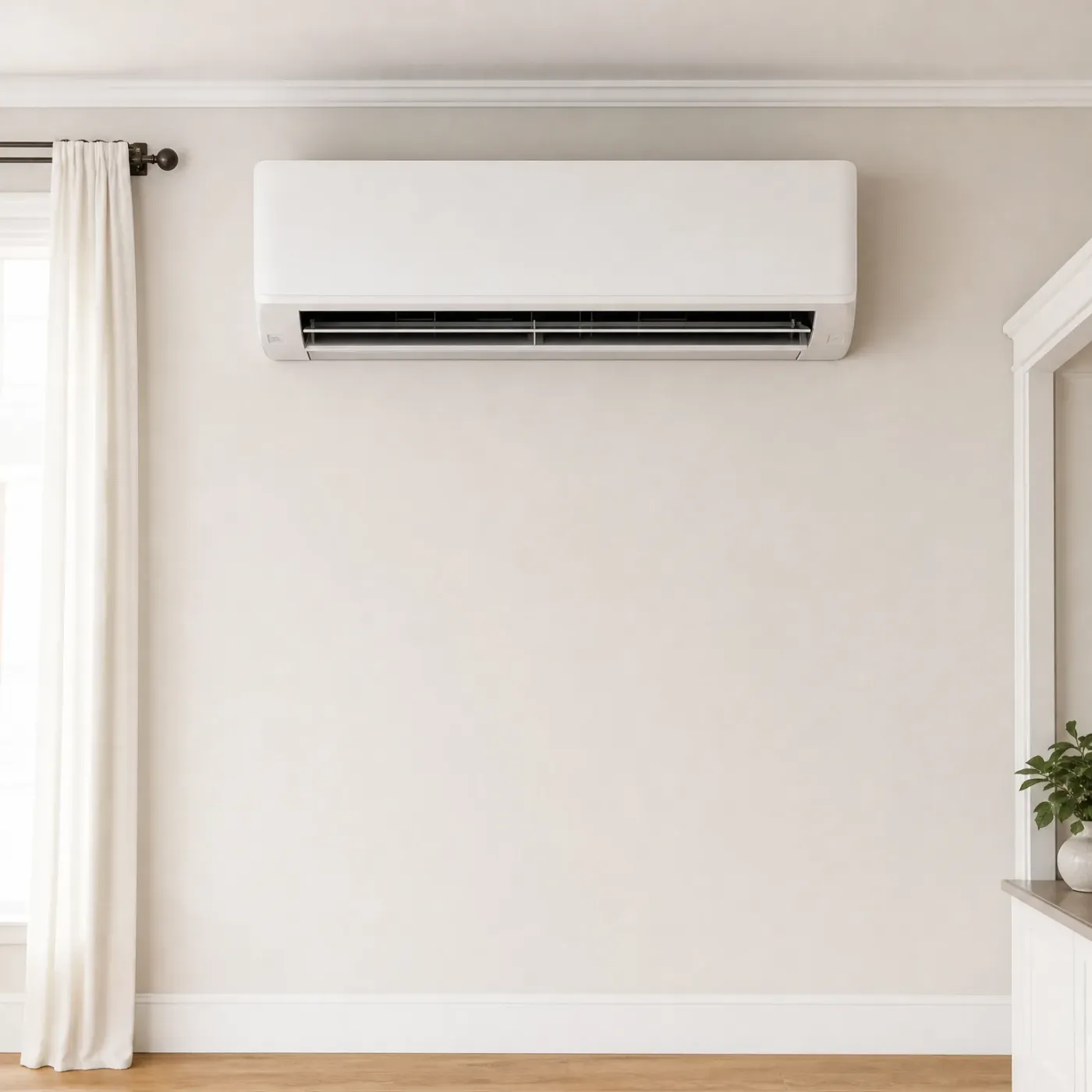
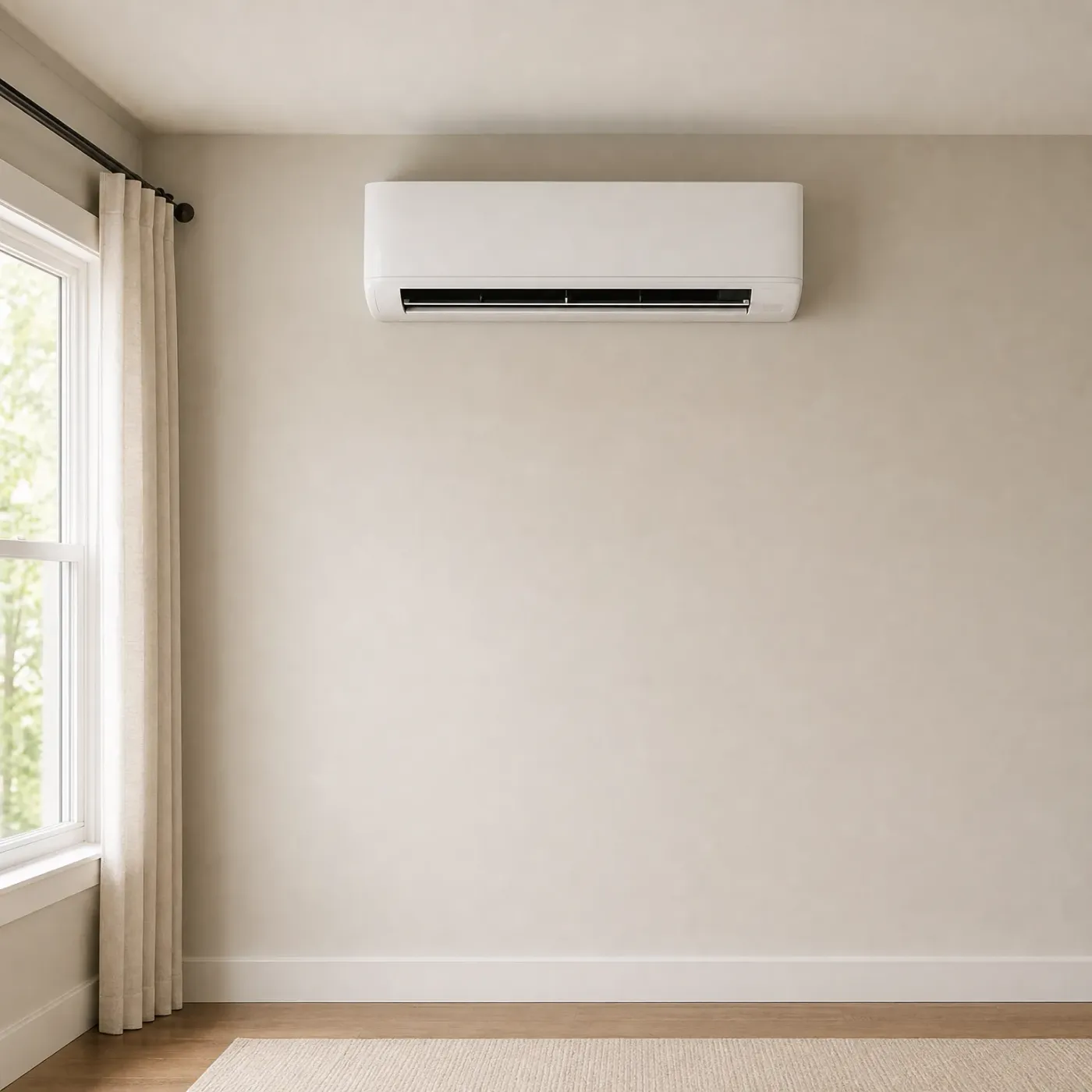
A white wall-mounted mini-split air conditioner on a beige interior wall, with a cream curtain and window at left, a potted plant on a ledge at right, and a wood floor below.
A clean mini split keeps its coil exposed to the air moving through it, so it pulls heat the way it's supposed to.
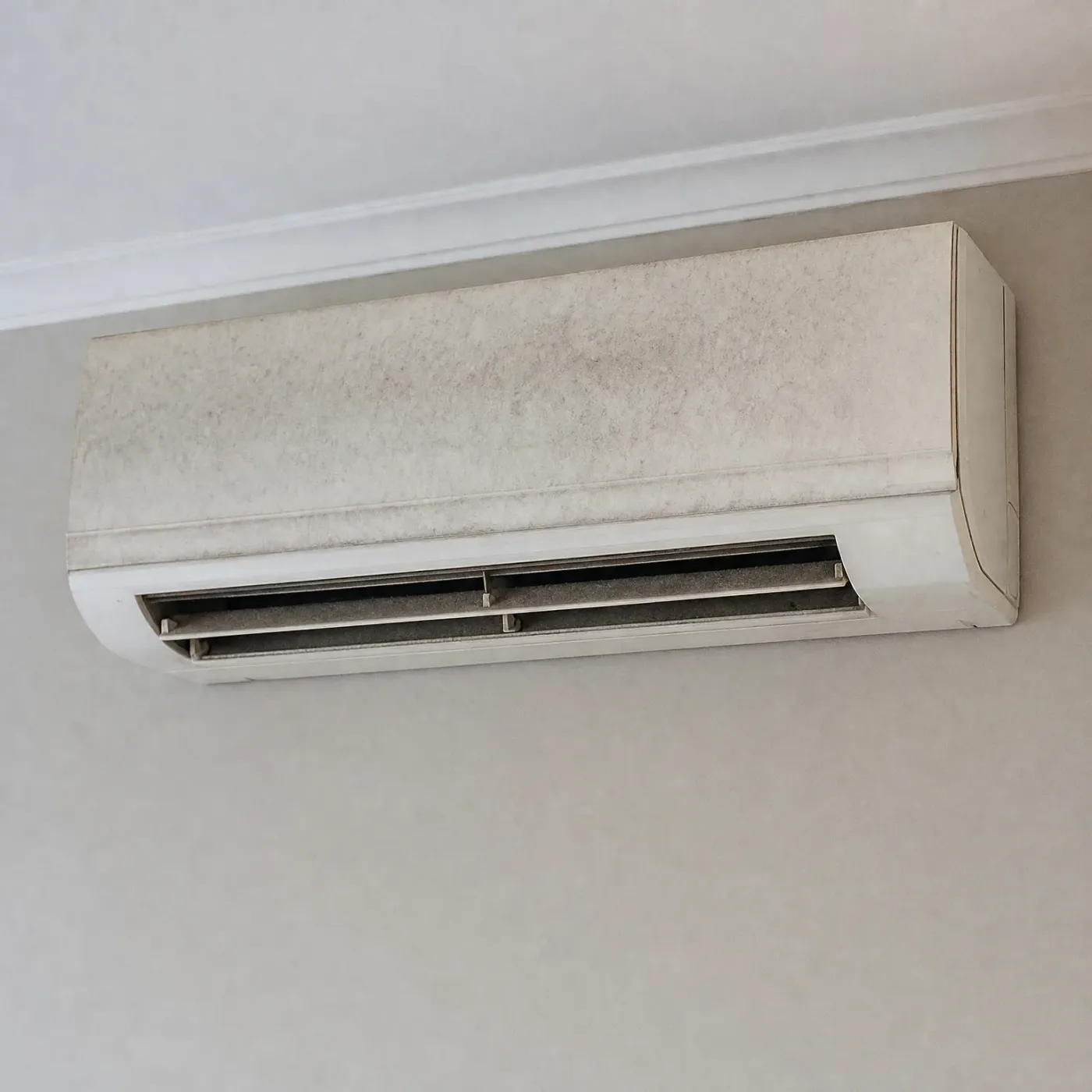
A dusty, discolored white wall-mounted mini-split air conditioner unit installed high on a plain interior wall below a white ceiling molding.
Dust packed into the coil and vents makes the system run longer for the same warmth, and that shows up on your bill.

Why does your electric bill jump every time it gets cold

You already know the month it happens. A cold snap comes through and the bill that follows is noticeably higher than the one before it, even though you kept the thermostat where it always sits. If your heat comes from strip heat or an older electric furnace, that jump is the coil working the hardest way it can, pulling full power the whole time it runs. Check the breaker panel or the air handler for a bank of resistance coils. That's what's driving the number up. Left alone, it just repeats every time the temperature drops, and the cost adds up over the months you keep running it that way.

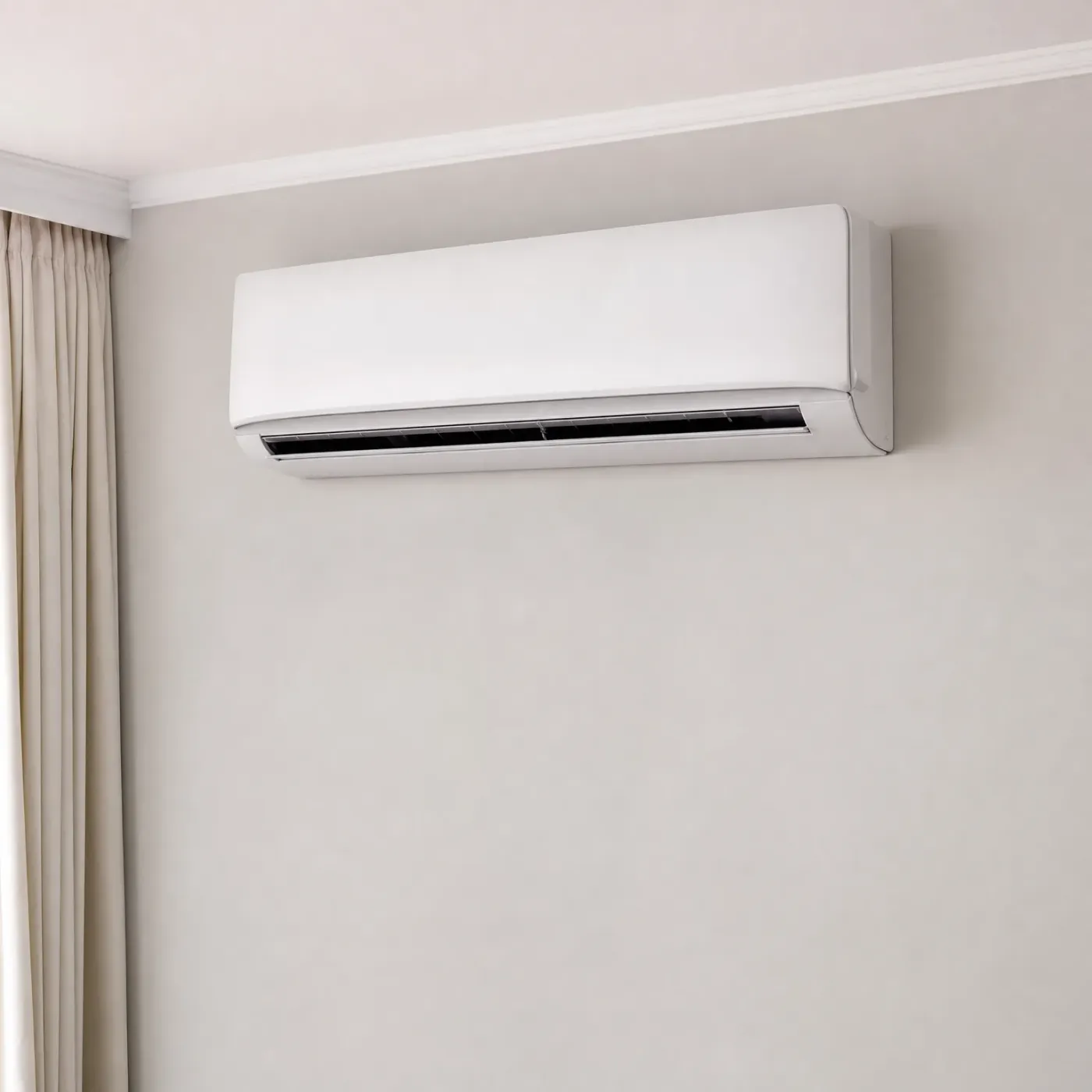
A white wall-mounted mini-split air conditioner near the ceiling of a room with light gray walls, white crown molding, and a beige curtain at the left edge.

Clean and clear

This is a mini split that can still do its job. The coil stays uncovered, so it can grab heat from the outside air without extra effort. Nothing on the wall around it slows that down.

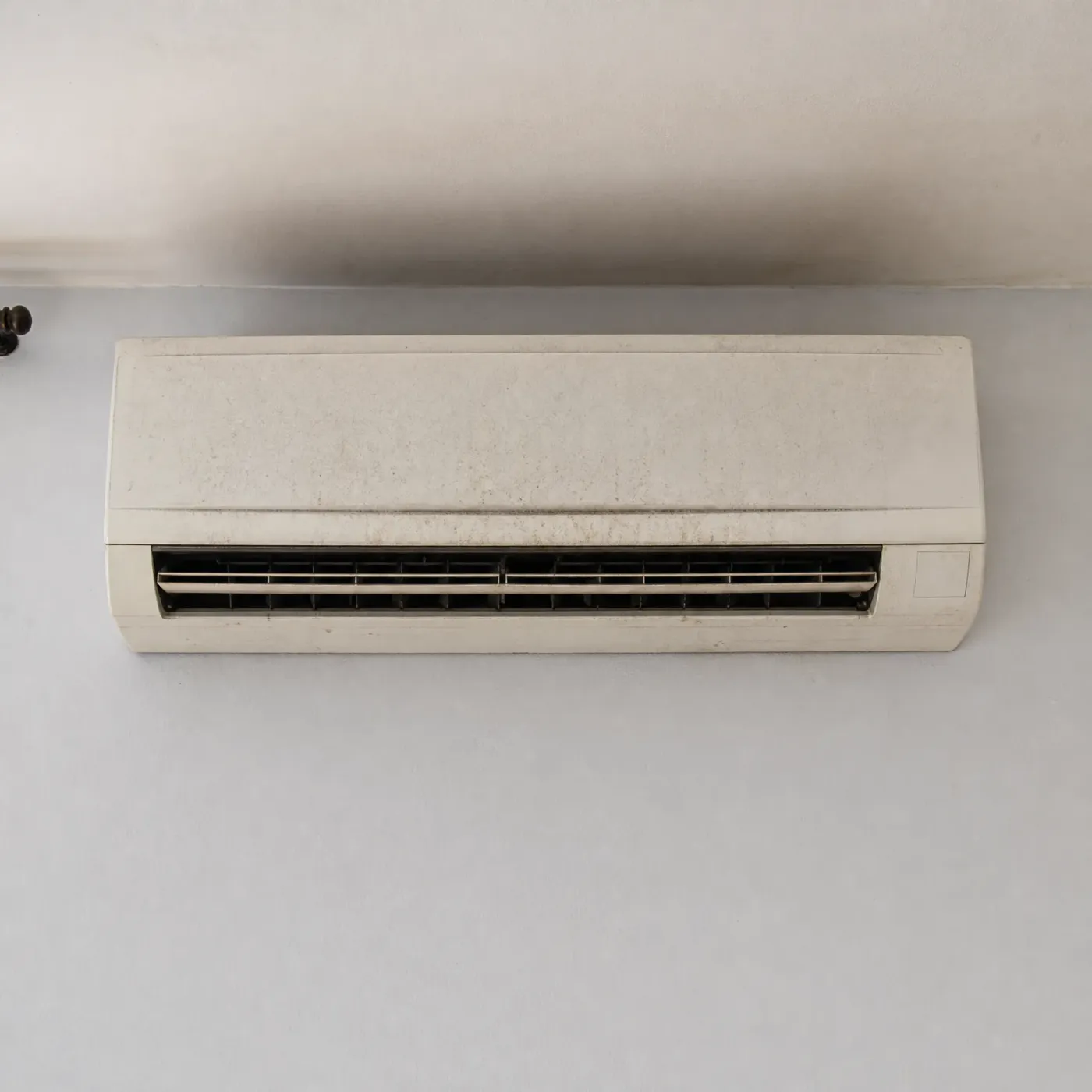
A dusty beige wall-mounted mini-split air conditioner indoor unit installed high on a plain light-colored wall below the ceiling.

Caked in dust

A layer like this across the coil blocks airflow before the heat ever gets pulled in. The unit runs longer to make the same warmth, and the staining on the wall is often the vent pushing air through buildup instead of past it.

An older man with gray hair and a beard leans back on a beige sofa with his eyes closed, in a sunlit room with potted plants, a wicker chair and large windows behind him.
A woman in a cream knit sweater sits in an armchair with her eyes closed and a slight smile, beside an open window showing orange autumn foliage, with a mug, books and a lit candle on a small side table.

Send one request and you're done looking

One installer gets your project, so there's no bidding war over it.

There's no charge for the request.

A mini split that heats a 15 by 15 room doesn't push extra electricity into a bigger space to compensate. The unit sized for that room runs at the output it was built for, and nothing more.

Oversized or undersized for the room, it works harder than it should, and that extra draw shows up on the same bill you're trying to bring down.

A white wall-mounted mini-split air conditioner indoor unit installed near the ceiling on a plain light-colored wall, with its horizontal outlet vent and louvers visible.
Before you get your mini split installation
A white wall-mounted mini-split air conditioner on a beige interior wall, with a curtained window on the left and wood flooring with a light rug below.
After you get your mini split installation

Strip heat: resistance only

An electric furnace or strip heat warms your home by running electricity through a coil. It makes heat one for one with what it burns, nothing extra.

Send my request

Mini split: moved heat

A mini split pulls heat from the outside air and moves it in. It spends electricity moving warmth, not making it, so less of your bill goes to the same room temperature.

Send my request

Power costs 15.21 cents per kilowatt-hour statewide

At 15.21 cents a kilowatt-hour, every bit of electricity strip heat burns to make warmth costs you real money, and it burns a lot to make not much heat. A mini split moving that same heat instead means fewer kilowatt-hours at that rate each time it gets cold.

EIA-861 2025 statewide residential average

Where this leaves you

  • A mini split costs less to run than strip heat or an older electric furnace because it moves heat instead of making it.
  • That answer holds for a room sized right to the unit, which is why sizing was part of the installation from the start.
  • A coil kept clean keeps pulling heat the way it was built to, so a yearly check matters as much as the install itself.
  • A local contractor who works on these systems every winter knows which models and sizes hold up in Florida's swings between mild and cold snaps.
  • Sending in your information connects you with one licensed contractor near you, not a string of companies competing for your call.
  • Once that contractor is on the job, finding someone to size and install the system is no longer something you have to manage yourself.

If you're heating with electricity now, a mini split sized for your space and installed well will cost less to run than strip heat or an older electric furnace. That's the whole answer. It moves heat instead of making it from scratch, and that difference shows up on your bill every time it gets cold. None of that happens on its own. The unit has to be sized to the room it's heating, not bigger or smaller, and the coil has to stay clean enough to keep pulling heat the way it was built to. Both of those are things a contractor handles, first at install and then at the yearly check that follows.

A contractor who works on mini splits through a Florida winter has seen what holds up through the stretch of mild days and the occasional cold snap, and what doesn't. That's not something you can tell from a brochure or a listing. It comes from having installed and serviced enough of these systems locally to know which ones are still running well a few winters in.

Send in your information and it goes to one licensed contractor near you, not a handful of companies calling you back at once. From there, sizing the unit and getting it installed is their job, not something you have to track down or manage piece by piece.

A curving paver walkway runs alongside a house with beige lap siding and a white-trimmed window, bordered by low shrubs, grassy plants, and trees in sunlight.
A dark-framed casement window with divided upper panes set in a stucco wall beside a stone-clad section, with hydrangeas, hostas and trimmed shrubs in a mulched bed above a lawn.
White horizontal lap siding wall with a single six-pane double-hung window, above a mulched bed of hydrangea shrubs with browning blooms, bordered by mown grass in low sunlight.
Interior corner with tan plaster walls, a potted olive tree in a large terracotta urn beside a floor-to-ceiling window, and a wooden bench with a beige cushion on a herringbone brick floor partly covered by a woven jute rug.
A wooden bench beneath a window holds a green linen cushion and a fringed cream throw, with a woven basket stored underneath on a wood plank floor.

Let someone else find the pro

Only one pro gets your request, so you hear from one company.

Find a licensed pro

Asking costs nothing, and the choice to hire stays yours.