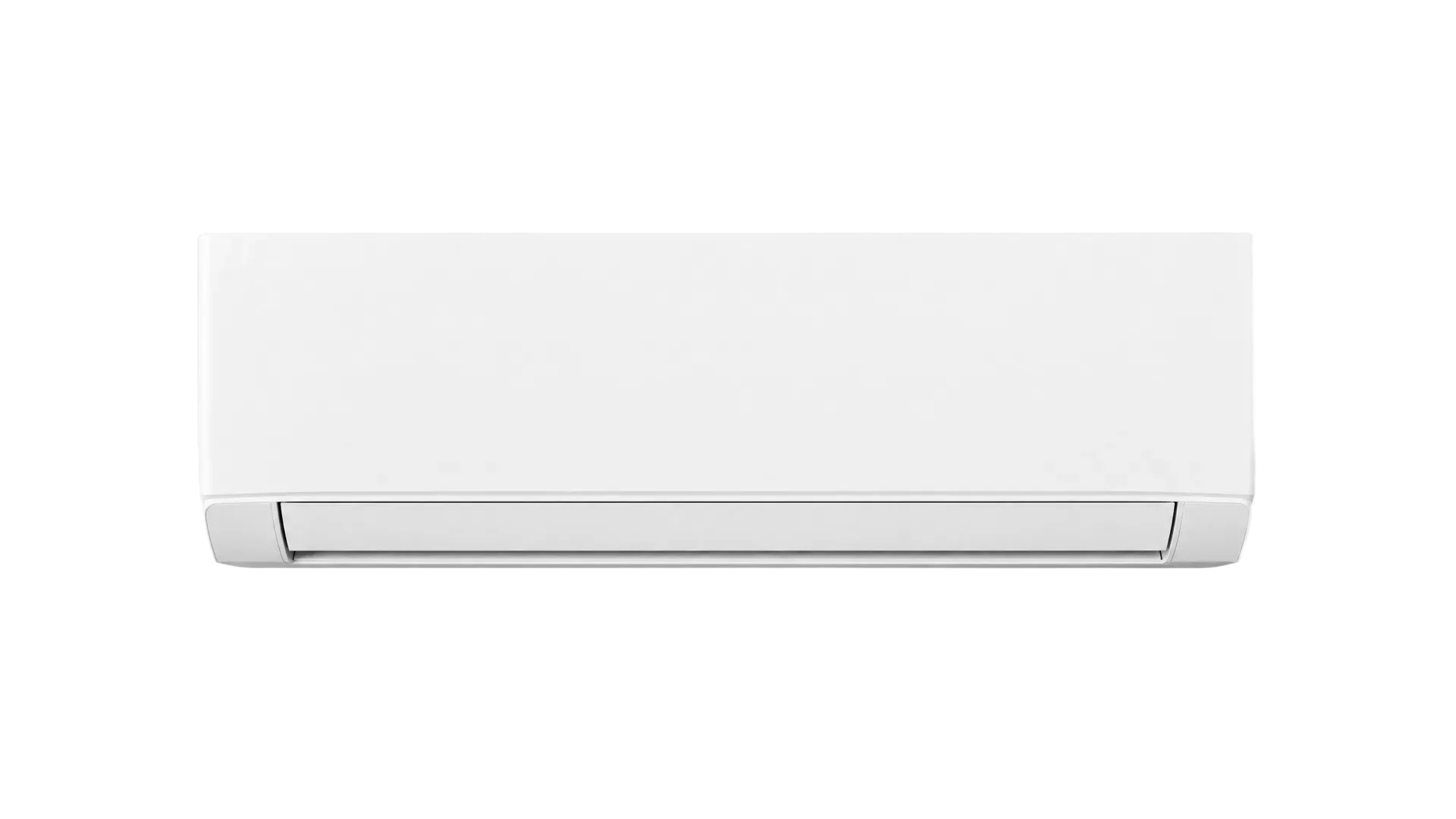
Can a mini split be my only heat in Florida?
Your mini split keeps the house cool all summer, and you're wondering if it can carry the winter too, or if you need something else running alongside it when temperatures drop. With most homes here already set up for electric heat, the question is really whether the one system you have is enough on its own.
Yes, for most homes in Florida
A mini split works as a heat pump, not just an air conditioner. It pulls heat from the outside air and moves it inside, and in Florida the outside air rarely gets cold enough to stop that from working well. Florida winters don't put the kind of strain on a heat pump that colder states do, so the same unit cooling your home in July can carry it through January without a backup furnace or electric strips. Since most homes here already heat with electricity, a mini split fits right into how the house is wired. What matters more than the climate is whether the unit was sized and installed for your home, since one that's too small for the space will run constantly without keeping up.




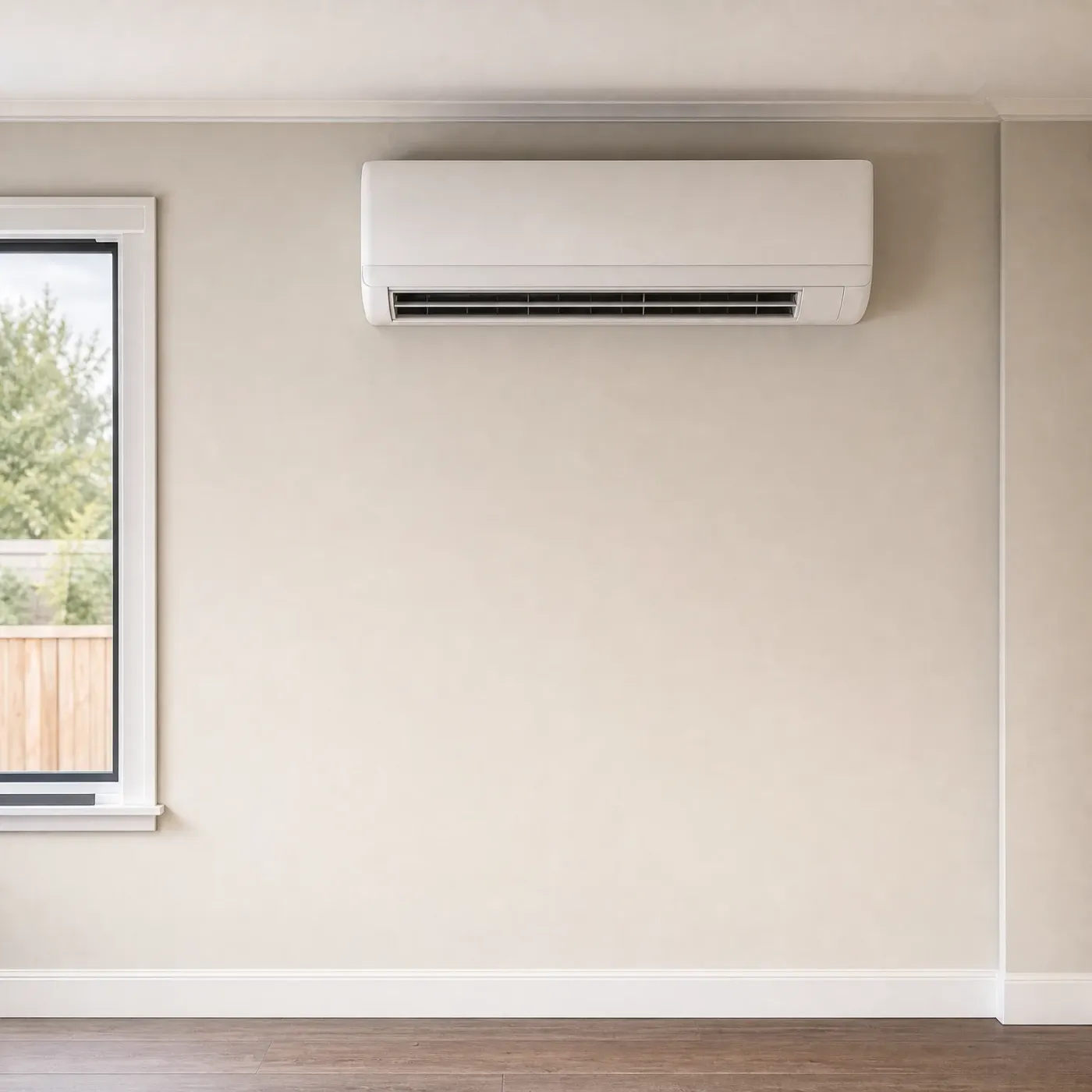

A contractor checks your home's heat loss on the coldest nights.
The unit's sizing is matched to that lowest expected temperature.
The compressor pulls heat from outside air, even when it's cold.
The indoor head distributes that heat through the room evenly.
Mini Split Alone or With Backup
Mini split alone
- No ductwork or gas line to maintain, since the same unit that cools in summer handles the whole winter.
- A correctly sized unit holds the room at temperature through the coldest nights Florida sees, cycling on and off like any heat source.
- One system means one thermostat and one set of filters to keep clean, nothing else sitting idle most of the year.
- If the unit is undersized for your home, the coldest nights will show it, with the room losing ground even as the unit keeps running.
- Electric resistance backup inside some units adds to the power bill on the handful of nights it kicks in.
Mini split plus backup
- A second heat source, often electric baseboard or a space heater, covers the rare nights a mini split can't quite keep up.
- Two systems means two things to maintain, even if the backup only runs a handful of nights a year.
- The backup sits unused most winters, since Florida's cold snaps are short and the mini split handles the rest on its own.
- Adding a backup raises the upfront cost of the installation without changing how the house feels most of the winter.
- For a household with someone who feels the cold more than most, a backup gives a second way to warm one room fast.
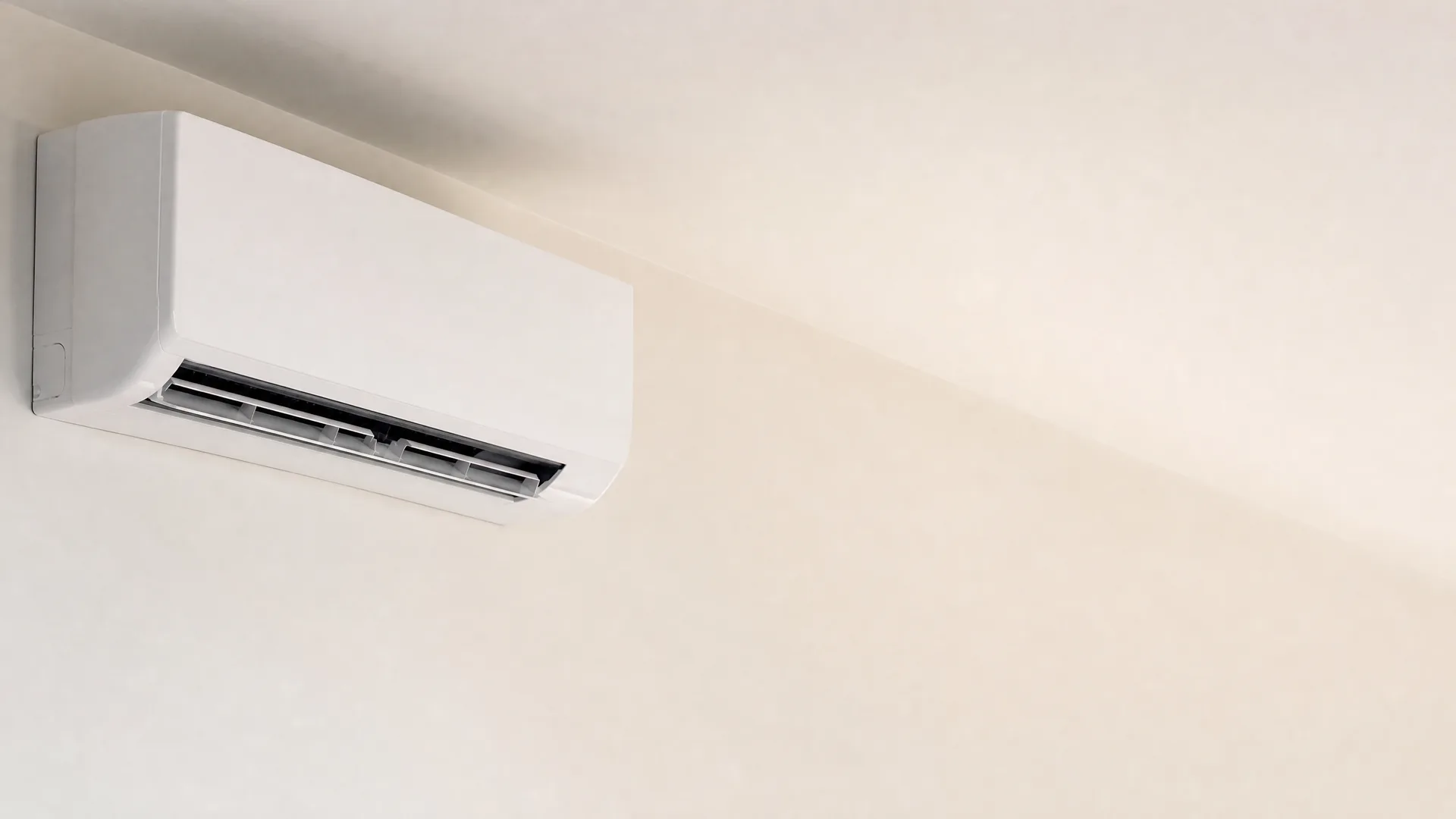
How a mini split makes heat
The outdoor unit pulls heat out of the air outside, even when that air feels cold, and moves it inside through the refrigerant line. This is the same cycle that cools your home in summer, just run in reverse. It's why the system doesn't burn fuel or draw on a separate furnace. The compressor is doing the same job year round, just moving heat in the other direction when the weather turns.
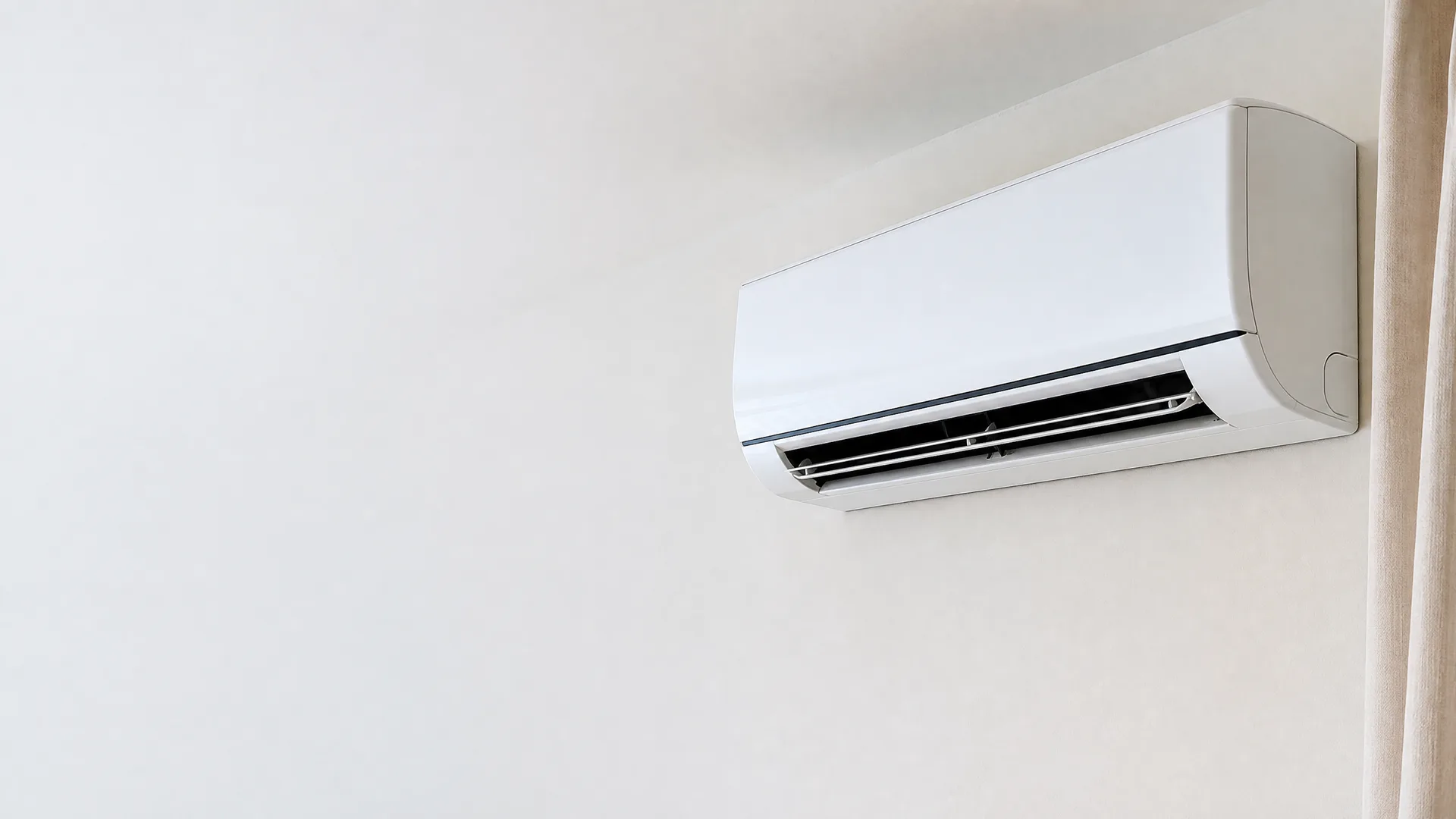
What a cold night asks of it
A mini split works harder as the temperature outside drops, since there's less heat in the air for it to pull from. On Florida's coldest nights, a unit sized for your home still has enough heat to draw on and keeps the compressor cycling normally rather than running flat out. That's the difference sizing makes. A unit sized only for summer cooling load can come up short exactly when you need it most.
Power costs 15.21 cents per kilowatt-hour statewide
At 15.21 cents a kilowatt-hour, running your mini split as the only heat costs about what you'd expect for any electric heat here. A correctly sized unit still moves heat rather than generating it, so it draws less power per degree than a space heater or electric strip heat would on the same cold night.
EIA-861 2025 statewide residential average
What Undersizing Costs You
- A cold night that drops the unit below its rated output shows up as rooms that never quite reach the thermostat setting.
- If the mini split was sized for your home, you will not need a space heater running in the bedroom during a cold snap.
- An undersized unit left to run constantly on the coldest nights raises your power bill faster than a correctly sized one would.
- Checking the model's rated capacity against the coldest temperatures your area sees tells you whether it can carry the house alone.
- A unit installed to match your home's heat loss keeps every room steady, so you are not checking on anyone during a cold night.
- Skipping the sizing step is what leads to a mini split that cools fine all summer but falls short the one week it gets cold.
A mini split that was never matched to your home shows itself on the coldest night of the year, not before. You will feel it as a room that stays a few degrees under the thermostat setting no matter how long the unit runs, or as a bedroom that needs a space heater plugged in once the temperature really drops. That gap is the unit working past its rated output, pulling power without closing the difference. The power bill reflects that struggle. A correctly sized unit cycles off once the room reaches temperature, the way any heat source should. An undersized one just keeps running, drawing electricity the whole time and still losing ground, which costs you more for less warmth. The fix starts before installation, by checking the model's rated capacity against the coldest temperatures your part of Florida actually sees, not against an average winter day. That number either covers the house or it doesn't, and it's worth knowing which before the unit goes in rather than during the first cold snap. For a household where someone is checking on a parent or a baby overnight, the difference matters beyond the bill. A unit sized to your home's heat loss keeps every room steady through a cold night, so there's nothing to check on. One sized wrong leaves you walking the hall to see if the baby's room actually warmed up, or layering a blanket on a parent who won't say they're cold. Sizing is the step that decides which of those two winters you get.


Skip calling around
Whether your mini split can carry the whole winter comes down to whether it was sized for your home in the first place, and that is a judgment call most homeowners can't make by looking at the unit on the wall. Finding out usually means calling around, explaining your setup to a few different companies, and sorting through quotes that size the job differently depending on who shows up. A local contractor who installs and services mini splits all year in Florida has already seen how these units perform on the coldest nights your area gets, and what tends to go wrong when one was undersized from the start. Sending the request through here puts it in front of one contractor who works on this equipment locally, instead of you fielding calls from several. From there it's a straightforward look at your home and the unit you have, so you know before the next cold snap whether it's enough on its own.
What a sizing check looks at
A contractor measures your home room by room: square footage, ceiling height, window area, and how much sun each side of the house takes. That gets compared against the mini split's rated output at low outdoor temperatures, not just its rating at 47 degrees, which is what most spec sheets lead with. A unit that looks big enough on paper can still fall short on the nights that matter if its low-temperature output was never checked against your home. This is also when a contractor finds out whether one indoor head can carry the whole house or whether a room far from the unit needs its own head to stay even.
What happens if it's skipped
Skip that check and you're relying on a guess, either the installer's or whoever had the house before you. Most of the year it won't show. It shows on the handful of nights that actually get cold, when the unit runs flat out and the room still drifts down a few degrees. That's the gap between a mini split that was sized for your house and one that was sized for a house like it. A local contractor who installs these every season has usually already seen what undersized units do on your coldest nights, and sizes around that instead of around an average.
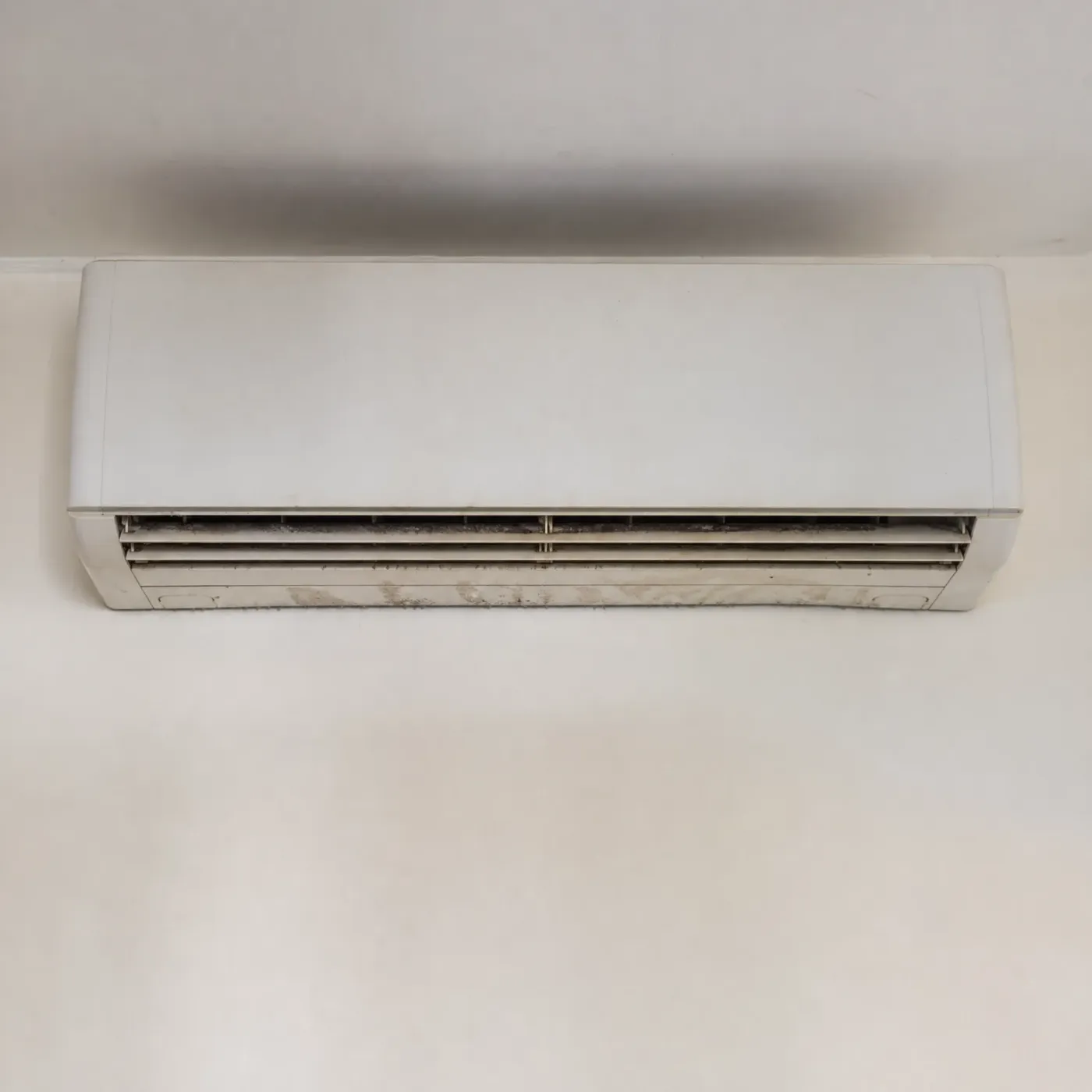
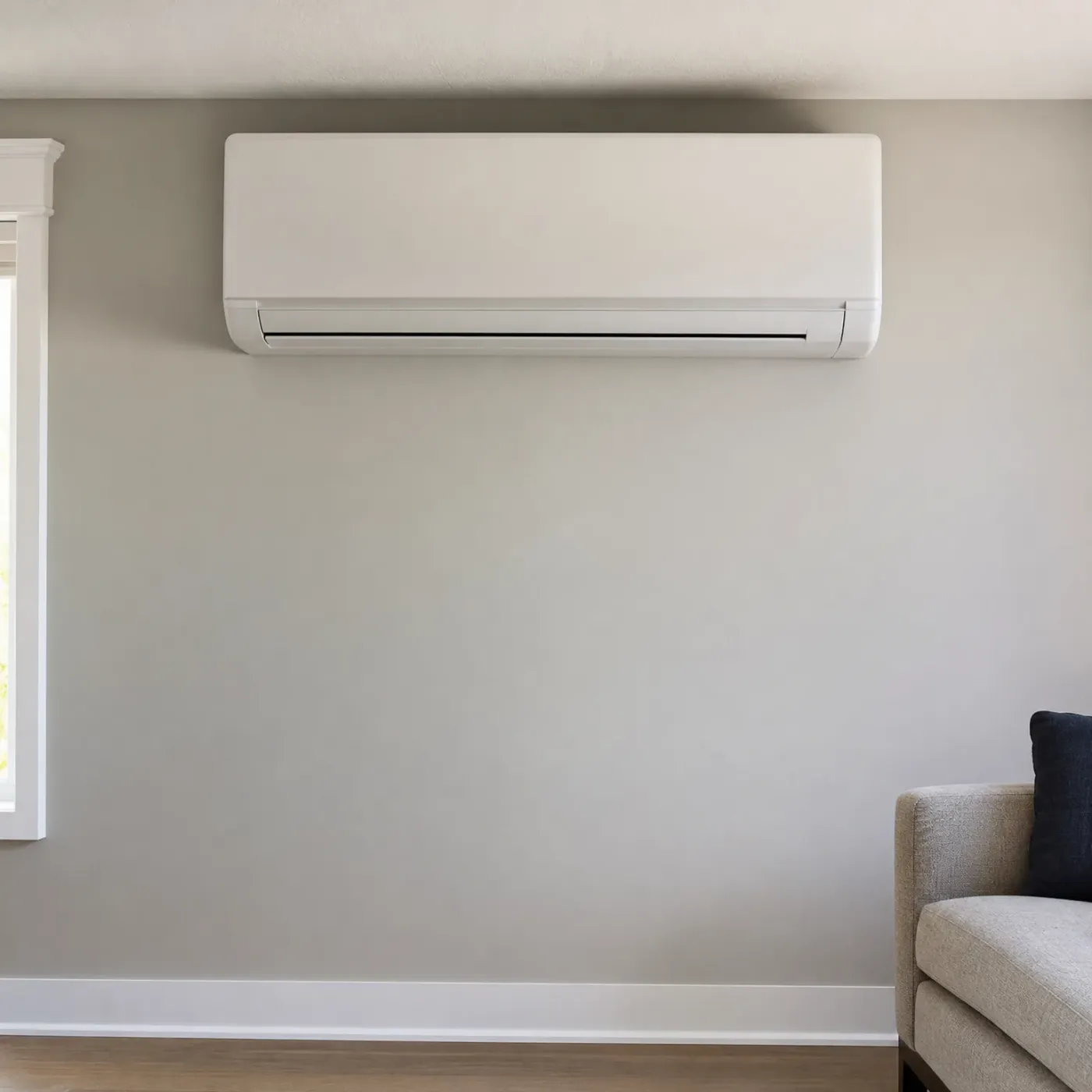

Summer here isn't just hot, it's heavy. A dew point averaging 74°F across June, July and August means the air is carrying about as much moisture as it can hold, and your mini split has to pull that moisture out before the room feels dry. That's a different job than just lowering the temperature. It's why the unit runs long, steady stretches on humid afternoons rather than short bursts, and why a properly sized system matters as much for how the house feels as for what the thermostat reads. Source: regional climate averages for Florida.
NASA POWER T2MDEW county cells weighted by homes
A mini split can be your only heat in Florida, as long as it was sized for your home and the coldest nights it will actually see. That's the whole question, and the answer doesn't change based on the brand on the unit or how new it is. What changes the outcome is whether someone checked the sizing before it went in, or just hung a unit that looked about right. A contractor who works on these systems all year in your area has seen which ones keep up through January and which ones end up with a space heater running next to them. Getting one local, licensed contractor to look at your specific setup, instead of piecing together guesses from a dozen online threads, is how you find out where you actually stand. You don't need a second system. You need to know if the one you have, or the one you're about to install, was matched to your house.
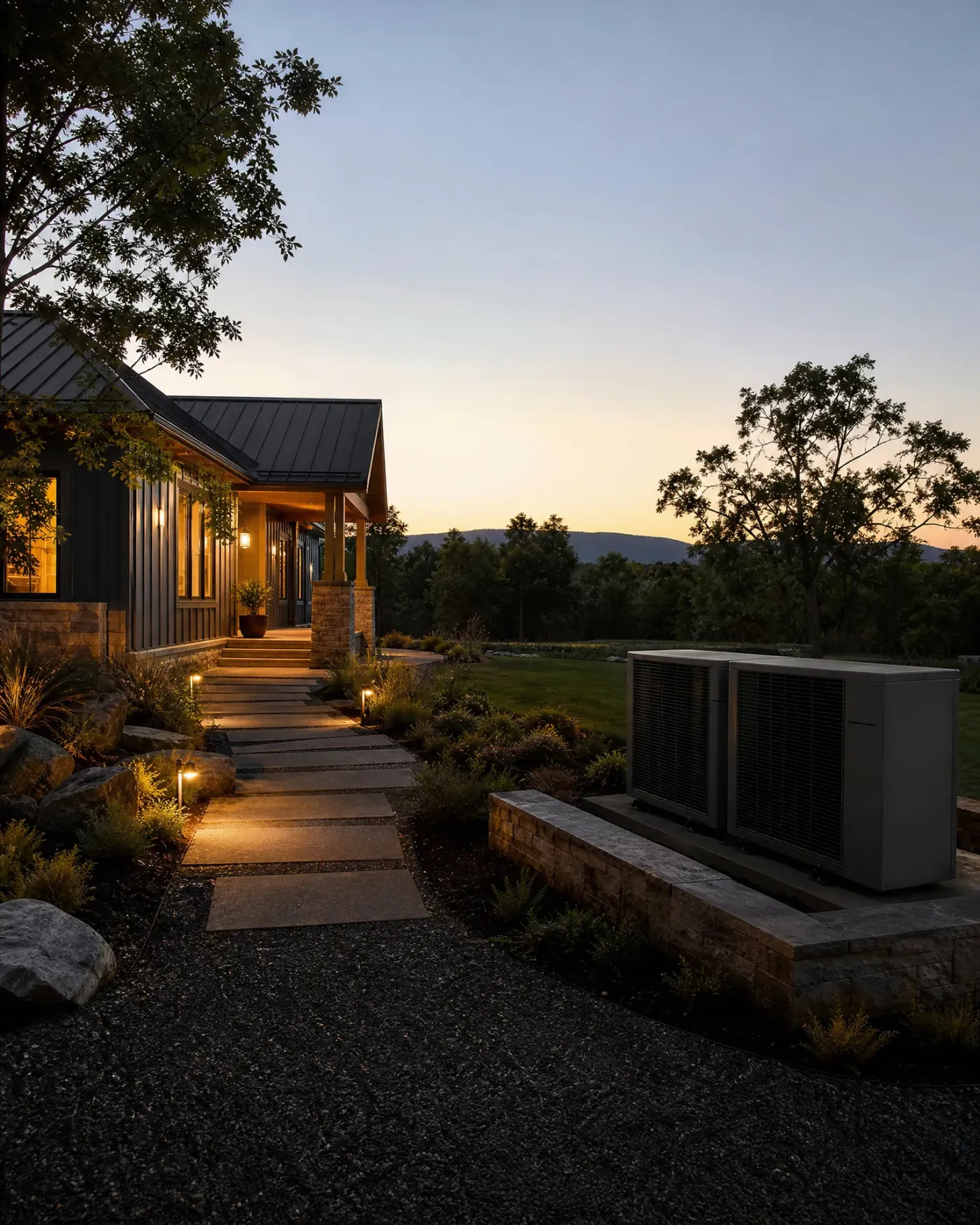
Mini Split Installation
Describe it once

- A local installer who puts in mini splits gets your project.
- Get in touch with a local installer about a new mini split.

- Once you send the form, finding a pro is off your list.
- After you send the request, you're done searching.

- Fill out one short form instead of calling around.
- Explain the job once and skip repeating it on every call.

- Your request stays with one local pro.
- Your request goes to one pro, not a list of companies.